ADHD and Addiction: Why They Often Occur Together
Attention-Deficit/Hyperactivity Disorder (ADHD) and substance use disorders frequently occur together. Research shows that individuals with ADHD have a higher risk of developing alcohol, drug, and behavioral addictions compared with the general population. Understanding this relationship is important because effective ADHD treatment may reduce the risk of addiction.
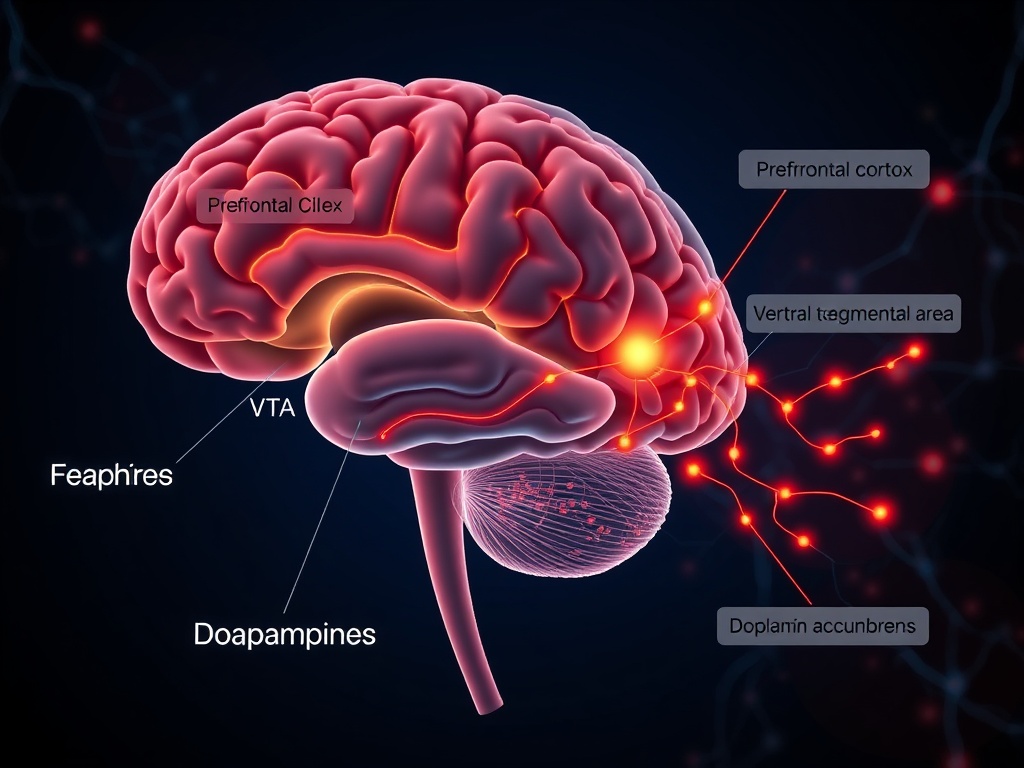
Why ADHD Increases Addiction Risk
Several factors may explain the connection between ADHD and addiction. These are not mutually exclusive factors but rather interact to increase overall addiction vulnerability.
1. Impulsivity
Impulsivity is a core feature of ADHD. Individuals may act quickly without fully considering consequences. This can increase vulnerability to experimentation with substances. Someone with ADHD might be more likely to try a substance at a party, engage in risky behavior, or fail to recognize escalating patterns of use.
2. Reward Processing Differences
ADHD involves differences in dopamine systems that regulate motivation and reward. Substances such as nicotine, alcohol, or stimulants may temporarily increase dopamine activity, which can make them particularly reinforcing for individuals with ADHD.
This partially explains why people with ADHD may find substance use particularly appealing—the substances temporarily provide the dopamine stimulation that their brain is seeking.
3. Self-Medication
Some individuals with ADHD report using substances to:
- • Improve concentration and focus
- • Reduce restlessness and agitation
- • Manage emotional distress and mood
- • Cope with frustration and difficulty
While substances may provide temporary relief, they often worsen symptoms over time and create additional problems beyond the original condition. Untreated ADHD can drive a self-medication cycle that deepens both conditions.
Substances Commonly Associated With ADHD
Research has shown increased rates of the following in people with ADHD:
Substance Use Disorders
- • Alcohol use disorder
- • Nicotine dependence
- • Stimulant misuse (cocaine, methamphetamine)
- • Cannabis use disorder
- • Opioid dependence
Behavioral Addictions
- • Gaming addiction
- • Internet addiction
- • Gambling disorder
- • Compulsive sexual behavior
- • Eating disorders
Importance of Early Diagnosis
Early identification and treatment of ADHD may help reduce the risk of substance misuse. When ADHD is recognized and treated, individuals can:
Immediate Benefits
- • Improve impulse control
- • Reduce self-medication urges
- • Enhance executive functioning
- • Better regulate emotions
Long-Term Protection
- • Reduce addiction risk significantly
- • Improve sustained motivation
- • Support healthier coping strategies
- • Improve quality of life
Treatment Approaches for ADHD and Addiction
When both ADHD and addiction are present, treatment approaches should address both conditions:
Medical Treatment
ADHD medications can be carefully selected to address ADHD symptoms while minimizing addiction risk. Non-stimulant options may be preferred in some cases. Medication-assisted treatment for addiction may also be incorporated.
Psychological Interventions
Cognitive behavioral therapy (CBT) and other evidence-based therapies can address both ADHD symptoms and addictive behaviors. Executive function coaching helps develop healthier coping strategies.
Comprehensive Care
Integrated care from professionals experienced in both ADHD and addiction tends to produce the best outcomes. This coordinated approach ensures that treatment of one condition supports recovery from the other.
ADHD Assessment
If you suspect ADHD may be contributing to difficulties with focus, impulsivity, or substance use, professional evaluation can provide clarity. Our screening tool can help identify potential ADHD symptoms:
Take Adult ADHD TestFrequently Asked Questions
Why does ADHD increase addiction risk? ▼
ADHD increases addiction risk through multiple mechanisms: impulsivity leads to substance experimentation, altered dopamine systems make substances particularly rewarding, and some individuals self-medicate ADHD symptoms with substances. These factors combine to create higher vulnerability to addiction.
How common is the ADHD-addiction connection? ▼
Research shows that individuals with ADHD have significantly higher rates of substance use disorders and behavioral addictions compared with the general population. Studies suggest people with ADHD are 2-3 times more likely to develop addiction.
What substances are most associated with ADHD? ▼
Alcohol use disorder, nicotine dependence, stimulant misuse, and cannabis use disorder occur more frequently in people with ADHD. Behavioral addictions such as gaming and internet addiction also show increased rates in ADHD populations.
What is self-medication in ADHD? ▼
Some individuals with ADHD report using substances to improve concentration, reduce restlessness, or manage emotional distress. However, substances typically worsen ADHD symptoms over time and create additional problems beyond the original condition.
How can treatment address both ADHD and addiction? ▼
Integrated care addressing both conditions is most effective. This may include ADHD medications, psychological interventions targeting both conditions, addiction treatment, and lifestyle modifications. Treatment of ADHD often reduces addiction risk and helps maintain recovery.
Get Professional Help
If you're struggling with both ADHD symptoms and substance use, comprehensive psychiatric evaluation and integrated treatment can significantly improve outcomes. Dr. Sidharth Sood specializes in both ADHD and addiction psychiatry.
Why Choose Dr Sidharth Sood
Elite Medical Credentials
- ✓ DM Addiction Psychiatry – AIIMS New Delhi (rare specialization - only 5-10 specialists per year in India)
- ✓ MD Psychiatry – Institute of Human Behaviour & Allied Sciences (IHBAS)
- ✓ DNB Psychiatry – National Board of Examinations
- ✓ MBBS – Maulana Azad Medical College (MAMC), Delhi
Proven Expertise
- ✓ Evidence-based psychiatric treatment with latest protocols
- ✓ Addiction psychiatry specialist with DM qualification
- ✓ Advanced neuromodulation therapies (TMS, Theta Burst Stimulation)
- ✓ Personalized treatment plans with proven recovery outcomes
Our Treatment Approach
Comprehensive Evaluation
Thorough psychiatric assessment to understand your unique condition and treatment needs
Evidence-Based Care
Latest medications, therapies and protocols based on clinical research and best practices
Compassionate Support
Confidential, respectful care focused on your recovery and long-term wellbeing
Recognized Authority
50+
Patients Monthly
4.9/5
Patient Rating (43 reviews)
15+
Years Experience
AIIMS
Trained Specialist