ADHD vs Laziness: Why Intelligent People Struggle With Focus
Many adults silently struggle with procrastination, difficulty focusing, unfinished tasks, and chronic disorganization. These individuals are often labeled as lazy, unmotivated, or lacking discipline. However, in many cases the underlying issue is not laziness at all — it may be Attention-Deficit/Hyperactivity Disorder (ADHD). Understanding the difference is important because ADHD is a treatable medical condition.
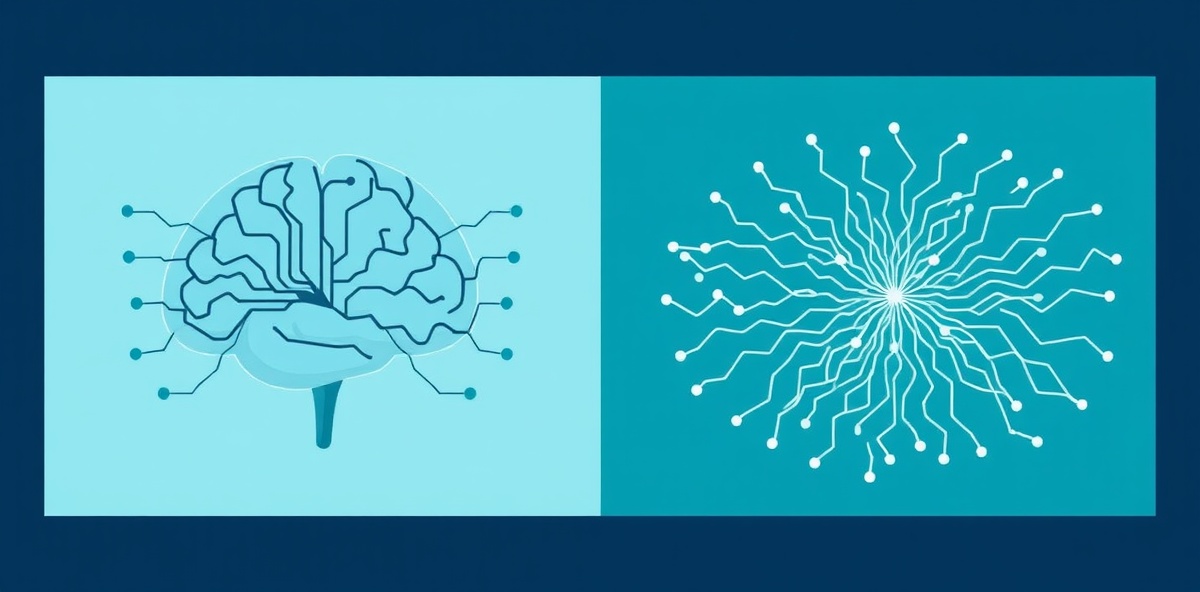
What Is ADHD?
Attention-Deficit/Hyperactivity Disorder (ADHD) is a neurodevelopmental condition that affects attention regulation, impulse control, and executive functioning. Although commonly diagnosed in childhood, ADHD frequently persists into adulthood and may remain unrecognized for many years.
Research suggests ADHD affects approximately 2.5–4% of adults worldwide.
Neuroscientific studies have shown differences in brain circuits involving the prefrontal cortex, basal ganglia, and dopamine regulation, which are involved in attention control, motivation, and executive functioning.
Why ADHD Is Often Mistaken for Laziness
People with ADHD frequently experience:
• Difficulty starting tasks
• Procrastination
• Inconsistent productivity
• Unfinished projects
To others, this may look like a lack of effort. But in reality, many individuals with ADHD report wanting to complete tasks but feeling unable to initiate or sustain attention. This occurs because ADHD affects executive functions, which include:
Executive Functions Affected by ADHD
- • Planning
- • Organization
- • Task initiation
- • Working memory
- • Self regulation
These functions are primarily mediated by the prefrontal cortex.
Executive Dysfunction: The Core Problem
A key concept in ADHD is executive dysfunction.
Executive functions act as the brain's management system and allow us to:
What Executive Functions Control
- • Prioritize tasks
- • Control impulses
- • Manage time
- • Maintain attention
Impact of Impairment
When executive functioning is impaired, individuals may procrastinate despite important deadlines, struggle to complete routine tasks, and feel overwhelmed by responsibilities. Importantly, these difficulties often occur even in highly intelligent individuals.
ADHD in High-Functioning Adults
Many adults with ADHD perform well academically or professionally but experience hidden difficulties such as:
Extreme procrastination
Chaotic work habits
Inconsistent productivity
Last-minute deadline pressure
Because they may appear successful externally, ADHD often goes undiagnosed for years. This is why understanding the difference between laziness and ADHD is crucial for these individuals to get proper help.
Laziness vs ADHD: Key Differences
| Characteristic | Laziness | ADHD |
|---|---|---|
| Motivation | Lack of motivation or unwillingness | Desire to complete tasks but difficulty initiating/sustaining |
| Root Cause | Behavioral choice or character flaw | Neurodevelopmental condition affecting executive function |
| Effort | Not willing to put in effort | Willing but unable to organize attention and effort consistently |
| Consistency | Consistently unmotivated | Inconsistent performance despite trying |
| Emotional Response | May not feel frustrated | Chronic frustration and self-criticism |
| Treatment | Discipline, motivation, lifestyle changes | Medical treatment, psychiatry, behavioral strategies |
The Link Between ADHD and Procrastination
Procrastination in ADHD is linked to differences in dopamine signaling within reward pathways in the brain. Tasks that feel boring or provide delayed rewards may fail to activate motivation systems effectively.
This explains why many individuals with ADHD can focus intensely on stimulating or urgent activities but struggle with routine responsibilities.
Research: Volkow ND et al. Motivation deficit in ADHD is associated with dysfunction of the dopamine reward pathway. Molecular Psychiatry, 2011.
ADHD and Emotional Impact
Without Diagnosis
Undiagnosed ADHD can lead to chronic stress, frustration, and low self-esteem. Many adults spend years believing they are simply undisciplined when the underlying problem is a neurodevelopmental condition.
With Treatment
Early recognition and treatment can significantly improve productivity, emotional wellbeing, and overall quality of life. Professional support helps individuals understand their condition and develop effective strategies.
ADHD and Addiction
ADHD is associated with increased risk of substance use disorders and behavioral addictions. Impulsivity and altered reward processing may contribute to higher rates of:
• Alcohol misuse
• Stimulant use
• Gaming addiction
• Internet addiction
Research: Wilens TE & Morrison NR. The intersection of attention-deficit/hyperactivity disorder and substance abuse. Current Opinion in Psychiatry, 2011.
When Should You Seek ADHD Evaluation?
Consider consulting a psychiatrist if you experience:
Chronic procrastination
Difficulty completing tasks
Disorganization affecting work
Frequent distraction
Impulsive decisions
Lifelong attention difficulties
Professional evaluation can determine whether ADHD or another condition may be contributing to these symptoms.
ADHD Self Assessment
If you suspect ADHD may be affecting your focus or productivity, you can take our interactive screening questionnaire to help identify common adult ADHD symptoms:
Take Adult ADHD Self Assessment TestFrequently Asked Questions
Is ADHD just laziness? ▼
No. ADHD is a neurodevelopmental condition affecting executive functioning, not a character flaw or laziness. People with ADHD often want to complete tasks but struggle due to difficulties in attention regulation, impulse control, and task initiation mediated by brain circuits involving the prefrontal cortex.
Can intelligent people have ADHD? ▼
Yes. Many high-functioning adults with ADHD perform well academically or professionally but experience hidden difficulties like extreme procrastination, chaotic work habits, and inconsistent productivity. ADHD often goes undiagnosed in intelligent individuals because they may appear successful externally.
What is executive dysfunction in ADHD? ▼
Executive dysfunction refers to impairment in brain functions that allow us to prioritize tasks, control impulses, manage time, and maintain attention. These functions are mediated by the prefrontal cortex and allow us to plan, organize, initiate tasks, and regulate behavior.
Why do people with ADHD procrastinate? ▼
Procrastination in ADHD is linked to differences in dopamine signaling within reward pathways. Tasks that feel boring or provide delayed rewards may fail to activate motivation systems effectively. This explains why people with ADHD can focus intensely on stimulating activities but struggle with routine responsibilities.
Is ADHD associated with addiction? ▼
Yes. ADHD is associated with increased risk of substance use disorders and behavioral addictions. Impulsivity and altered reward processing may contribute to higher rates of alcohol misuse, stimulant use, and behavioral addictions such as gaming or internet addiction.
When should I seek ADHD evaluation? ▼
Consider consulting a psychiatrist if you experience chronic procrastination, difficulty completing tasks, disorganization affecting work, frequent distraction, impulsive decisions, or lifelong attention difficulties. Professional evaluation can determine whether ADHD or another condition may be contributing to these symptoms.
Professional ADHD Treatment
Dr Sidharth Sood is a Psychiatrist and Addiction Psychiatrist in New Delhi providing evidence-based diagnosis and treatment for Adult ADHD. If your symptoms suggest possible ADHD, professional evaluation is recommended for accurate diagnosis and personalized treatment planning.
References
Faraone SV et al. (2021)
World Federation of ADHD International Consensus Statement. Neuroscience & Biobehavioral Reviews.
Volkow ND et al. (2011)
Motivation deficit in ADHD is associated with dysfunction of the dopamine reward pathway. Molecular Psychiatry.
Wilens TE & Morrison NR. (2011)
The intersection of attention-deficit/hyperactivity disorder and substance abuse. Current Opinion in Psychiatry.
Why Choose Dr Sidharth Sood
Elite Medical Credentials
- ✓ DM Addiction Psychiatry – AIIMS New Delhi (rare specialization - only 5-10 specialists per year in India)
- ✓ MD Psychiatry – Institute of Human Behaviour & Allied Sciences (IHBAS)
- ✓ DNB Psychiatry – National Board of Examinations
- ✓ MBBS – Maulana Azad Medical College (MAMC), Delhi
Proven Expertise
- ✓ Evidence-based psychiatric treatment with latest protocols
- ✓ Addiction psychiatry specialist with DM qualification
- ✓ Advanced neuromodulation therapies (TMS, Theta Burst Stimulation)
- ✓ Personalized treatment plans with proven recovery outcomes
Our Treatment Approach
Comprehensive Evaluation
Thorough psychiatric assessment to understand your unique condition and treatment needs
Evidence-Based Care
Latest medications, therapies and protocols based on clinical research and best practices
Compassionate Support
Confidential, respectful care focused on your recovery and long-term wellbeing
Recognized Authority
50+
Patients Monthly
4.9/5
Patient Rating (43 reviews)
15+
Years Experience
AIIMS
Trained Specialist