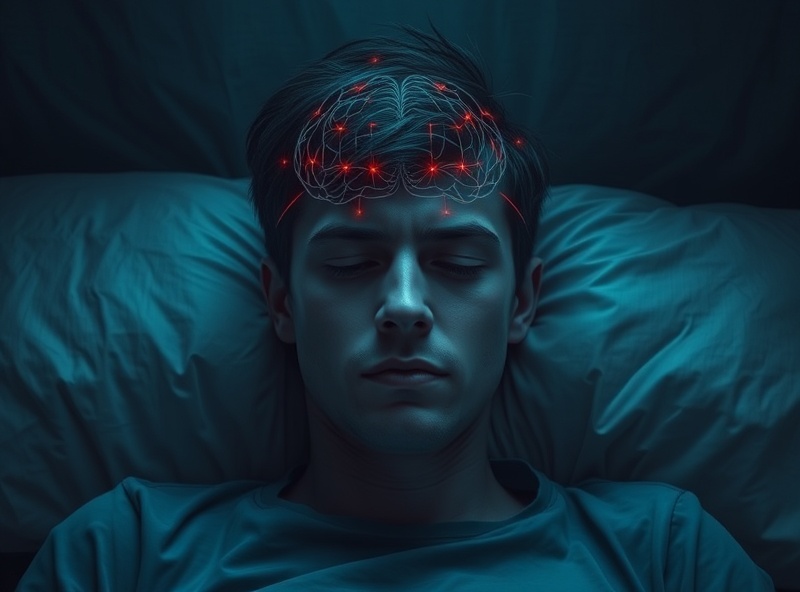
Chronic Insomnia Treatment: Long-Term Solutions and Recovery
Chronic insomnia—defined as sleep difficulties occurring at least three nights per week for three months or longer—significantly impacts quality of life, health, and functioning. Fortunately, effective evidence-based treatments exist.
Understanding Chronic Insomnia
Chronic insomnia often develops as a learned response to stress or sleep disruption. Even after the original trigger resolves, the brain maintains the insomnia pattern through:
- Conditioned arousal (associating bed with wakefulness)
- Rumination and worry about sleep
- Hyperarousal of the nervous system
- Avoidance behaviors that worsen insomnia
First-Line Treatment: Cognitive Behavioral Therapy for Insomnia (CBT-I)
CBT-I is the gold standard, evidence-based treatment for chronic insomnia, addressing the cognitive and behavioral factors maintaining the problem.
Components of CBT-I
Sleep Restriction Initially limit time in bed to match actual sleep duration:
- If you sleep 5 hours, spend 5 hours in bed
- Gradually increase bedtime as sleep consolidates
- Increases sleep efficiency and reduces conditioned arousal
Stimulus Control
- Use bed for sleep and intimacy only
- If not asleep after 20 minutes, leave bedroom
- This retrains your brain’s association between bed and sleep
Cognitive Restructuring
- Challenge catastrophic thoughts (“If I don’t sleep tonight, I’ll be useless tomorrow”)
- Replace with realistic thoughts (“I can function on less sleep; my body needs some recovery”)
- Reduces anxiety that perpetuates insomnia
Sleep Hygiene Optimization
- Consistent sleep schedule
- Optimize bedroom environment
- Manage caffeine, alcohol, and stimulants
Relaxation Training
- Progressive muscle relaxation
- Deep breathing techniques
- Guided imagery
- Reduce physical tension and promote relaxation response
Pharmacological Treatment
While medication should not be first-line, it can be helpful in specific situations:
Sleep Medications
Benzodiazepine Receptor Agonists (Zopiclone, Zolpidem)
- Effective for short-term use
- Risk of dependence with prolonged use
- Best for acute insomnia rather than chronic
Melatonin Agonists (Ramelteon)
- Target melatonin pathways
- Fewer dependence concerns
- Helpful for circadian rhythm issues
Sedating Antidepressants (Amitriptyline, Trazodone)
- Particularly useful when depression or anxiety coexists
- Often more suitable for chronic use
- Address underlying mood issues
Combination Approach
Often, brief medication combined with CBT-I provides optimal results—medication addresses acute insomnia while behavioral therapy creates lasting change.
Treating Underlying Conditions
Many cases of chronic insomnia involve co-occurring conditions requiring treatment:
- Anxiety Disorders: CBT for anxiety plus sleep-specific interventions
- Depression: Antidepressant medication plus behavioral activation
- Sleep Apnea: Continuous positive airway pressure (CPAP) or other devices
- Restless Leg Syndrome: Specific medications (iron, dopamine agonists)
- Chronic Pain: Pain management plus insomnia-specific treatment
Lifestyle and Behavioral Interventions
Exercise
- 150 minutes of aerobic exercise weekly improves insomnia significantly
- Most effective when practiced in morning or early afternoon
- Avoid intense exercise within 3 hours of bedtime
Sleep Scheduling
- Consistent bedtimes and wake times
- Builds robust circadian rhythm regulation
- Improves sleep efficiency over time
Stress Management
- Mindfulness and meditation
- Progressive muscle relaxation
- Time management and problem-solving
- Professional counseling if needed
Dietary Changes
- Eliminate caffeine after 2 PM
- Reduce alcohol consumption
- Limit large meals before bed
- Consider magnesium supplementation (discuss with doctor)
Expected Timeline for Recovery
- CBT-I: 4-8 weeks to see significant improvement; 3-6 months for full benefit
- Medications: Often provide relief within days, but behavioral changes take longer
- Combined approach: Typically shows fastest and most sustained improvement
When to Seek Professional Help
Consult a sleep specialist if you experience:
- Insomnia lasting more than 4 weeks
- Significant daytime impairment from sleep loss
- Symptoms resistant to self-help strategies
- Possible underlying sleep disorders
Long-Term Management
Chronic insomnia is highly treatable with appropriate intervention. However, maintenance is important:
- Continue sleep hygiene practices
- Manage stress proactively
- Maintain exercise routine
- Address depressive or anxious symptoms promptly
Dr. Sidharth Sood specializes in comprehensive chronic insomnia evaluation and treatment, using evidence-based CBT-I combined with medical management when appropriate for lasting recovery.
Most people with chronic insomnia achieve significant improvement with proper treatment and can return to natural, restorative sleep patterns.


