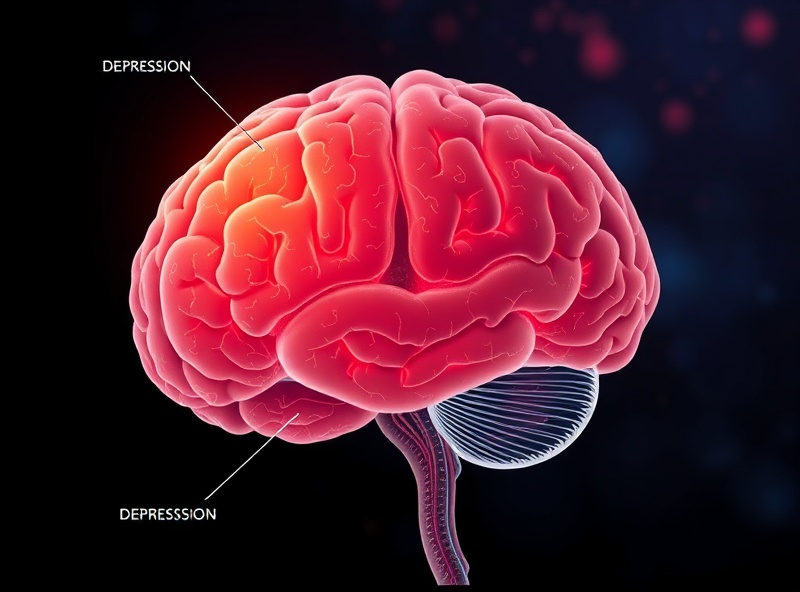
The Depression-Sleep Connection
Depression and sleep problems create a vicious cycle. Depression causes sleep disruption, while poor sleep worsens depression. Understanding this relationship is crucial for effective treatment.
How Depression Affects Sleep
Insomnia
Early Morning Awakening (Terminal Insomnia):
- Waking up 2-3 hours earlier than desired
- Unable to return to sleep
- Often worst in the early morning hours
Sleep Onset Insomnia:
- Difficulty falling asleep
- Racing thoughts and worry
- Restlessness at bedtime
Sleep Maintenance Insomnia:
- Frequent awakenings during the night
- Non-restorative sleep despite adequate hours
- Tossing and turning throughout the night
Hypersomnia
- Sleeping excessively (10+ hours)
- Still feeling exhausted upon waking
- Difficulty getting out of bed
- Daytime sleepiness and fatigue
Non-Restorative Sleep
- Sleeping adequate hours but feeling unrefreshed
- Waking up tired and groggy
- Sleep lacks the restorative quality needed
Why Depression Disrupts Sleep
Neurochemical Changes
- Low serotonin affects sleep-wake cycles
- Dysregulated melatonin production
- Altered brain wave patterns during sleep
- Imbalanced cortisol (stress hormone) rhythms
Negative Thinking
- Racing thoughts at bedtime
- Rumination about problems
- Worry and anxiety interfering with sleep
- Difficulty “switching off” the mind
Physical Symptoms
- Body aches and pain
- Restlessness and agitation
- Tension and muscle tightness
- Frequent bathroom trips
How Poor Sleep Worsens Depression
Neurobiological Effects
- Sleep deprivation reduces serotonin production
- Impairs emotional regulation mechanisms
- Increases inflammation in the brain
- Reduces neuroplasticity needed for recovery
Cognitive Effects
- Worsens concentration and memory
- Increases negative thought patterns
- Reduces problem-solving ability
- Heightens emotional reactivity
Physical Effects
- Weakens immune system
- Increases pain perception
- Increases fatigue and low energy
- Affects appetite regulation
The Vicious Cycle
- Depression causes poor sleep
- Poor sleep worsens depressive symptoms
- Worsened depression makes sleep more difficult
- The cycle intensifies without intervention
Types of Sleep Problems in Depression
Sleep Architecture Changes
Depression alters the normal sleep cycle:
- REM Sleep Abnormalities: Increased REM density and early REM onset
- Deep Sleep Reduction: Decreased slow-wave sleep (restorative sleep)
- Sleep Fragmentation: Broken, interrupted sleep patterns
Circadian Rhythm Disruption
- Misalignment between body clock and sleep schedule
- Earlier sleep-wake cycle
- Irregular sleep patterns
Breaking the Cycle: Treatment Approaches
Medication
Antidepressants with Sleep Benefits:
- Mirtazapine (improves sleep quality)
- Tricyclic antidepressants
- Some SSRIs improve sleep as depression improves
Sleep Medications:
- Short-term use during acute phase
- Combined with antidepressants for better outcomes
Cognitive Behavioral Therapy for Insomnia (CBT-I)
- Proven highly effective for depression-related insomnia
- Addresses negative thoughts about sleep
- Establishes healthy sleep behaviors
- Reduces reliance on medications
Sleep Hygiene Improvements
Environment:
- Keep bedroom cool (65-68°F), dark, and quiet
- Remove screens and work materials
- Invest in comfortable mattress and pillows
Routine:
- Consistent sleep and wake times
- Relaxing pre-sleep routine
- Avoid caffeine after 2 PM
- No screens 1 hour before bed
Daytime Habits:
- Regular exercise (but not near bedtime)
- Light exposure in morning
- Limit naps
- Avoid alcohol and heavy meals before bed
Neuromodulation Therapies
- rTMS (Repetitive Transcranial Magnetic Stimulation): Improves both mood and sleep
- Theta Burst Stimulation: Emerging evidence for sleep improvement
Lifestyle Changes
- Exercise: 30 minutes of aerobic activity most days improves sleep and mood
- Nutrition: Omega-3s, B vitamins, magnesium support sleep and mood
- Meditation: Mindfulness-based approaches reduce racing thoughts
- Social Connection: Meaningful relationships improve both sleep and mood
When to Seek Professional Help
Consult a psychiatrist if:
- Sleep problems persist despite lifestyle changes
- Sleep disruption is significantly impacting daily functioning
- You have thoughts of self-harm
- Sleep problems and mood symptoms co-occur
- You’ve tried over-the-counter sleep aids without relief
Treatment Success
The good news: Treating depression effectively often resolves sleep problems. With proper treatment combining medication, therapy, and lifestyle changes, both mood and sleep typically improve.
Recovery is Possible
Many people with depression-related sleep issues recover fully with appropriate treatment. The key is addressing both the depression and sleep problems simultaneously.
Sleep well, feel better. Book an Appointment | Consult Online | WhatsApp Consultation


