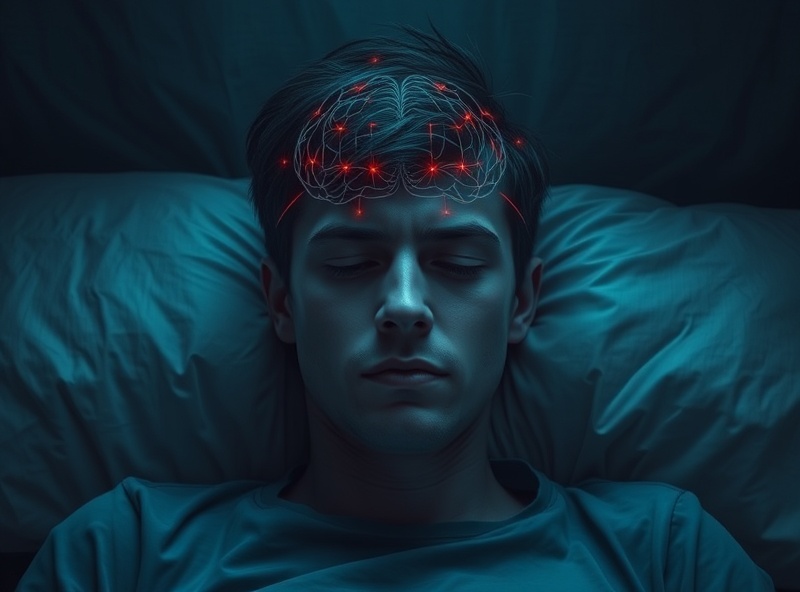
The Science of Sleep Deprivation
Sleep is not a luxury—it’s a biological necessity. When we consistently fail to get adequate sleep, our brains suffer profound consequences that extend far beyond drowsiness. Understanding how sleep deprivation affects the brain is essential for protecting mental health and overall wellness.
Immediate Effects of Sleep Deprivation
First 24-48 Hours
- Reduced alertness and reaction time
- Difficulty concentrating
- Memory lapses and forgetfulness
- Irritability and mood swings
- Impaired decision-making
- Increased accident risk
After 3-5 Days
- Cognitive function significantly impaired
- Hallucinations may begin (microsleeps)
- Increased pain sensitivity
- Weakened immune response
- Blood pressure elevation
Brain Chemistry Changes
Dopamine Dysregulation
Sleep deprivation reduces dopamine, affecting:
- Motivation and drive
- Pleasure and reward response
- Motivation for activities
- Risk-taking behavior increases
Serotonin Imbalance
Reduced serotonin production leads to:
- Depression symptoms
- Anxiety increase
- Mood instability
- Suicidal ideation risk (in severe cases)
Cortisol Elevation
Increased stress hormone causes:
- Anxiety and hypervigilance
- Memory impairment
- Impulsive behavior
- Emotional dysregulation
Acetylcholine Reduction
This neurotransmitter crucial for:
- Learning and memory
- Attention and focus
- REM sleep regulation
- Emotional processing
Cognitive Effects of Sleep Deprivation
Memory Problems
- Decreased ability to form new memories
- Difficulty accessing stored memories
- Impaired working memory
- Reduced learning capacity
Attention and Concentration
- Difficulty sustaining focus
- Increased distractibility
- Slower information processing
- Reduced mental clarity
Decision-Making and Judgment
- Poor risk assessment
- Impulsive choices
- Reduced problem-solving ability
- Decreased impulse control
Mental Health Impact
Depression
Sleep deprivation is both a symptom and cause of depression:
- Increased vulnerability to depression
- Worsened depressive symptoms
- Reduced antidepressant effectiveness
- Sleep disruption perpetuates depression
Anxiety Disorders
- Heightened anxiety sensitivity
- Panic attack vulnerability
- Worry escalation
- Hypervigilance increase
Psychosis Risk
Severe sleep deprivation can trigger:
- Hallucinations
- Delusions
- Paranoia
- Acute psychiatric crisis
Addiction Vulnerability
Sleep deprivation increases risk of:
- Substance abuse
- Alcohol misuse
- Drug use escalation
- Reduced relapse resistance
Physical Brain Changes
Prefrontal Cortex Damage
The decision-making center experiences:
- Reduced activity
- Impaired emotional regulation
- Weakened impulse control
- Decreased judgment
Amygdala Hyperactivity
The emotion center becomes:
- Overactive to threats
- More reactive to stimuli
- Amplified fear responses
- Enhanced negative emotion
Hippocampus Shrinkage
The memory center shows:
- Reduced size with chronic sleep loss
- Impaired memory consolidation
- Difficulty forming new memories
- Accelerated cognitive aging
Long-Term Consequences of Chronic Sleep Deprivation
Neurological Damage
- Accelerated cognitive decline
- Increased dementia risk
- Neuroinflammation
- Neurodegeneration
Mental Health Disorders
- Bipolar disorder triggered or worsened
- Anxiety disorders development
- Depression intensification
- Substance use disorder risk
Physical Health Impact
- Cardiovascular disease risk
- Metabolic dysfunction
- Immune system impairment
- Inflammation increase
Cognitive Aging
Chronic sleep deprivation causes brain aging equivalent to:
- 5-10 years accelerated cognitive aging
- Reduced neural plasticity
- Impaired learning ability
Sleep Deprivation and Psychiatric Emergencies
Increased Risk of
- Suicidal thoughts
- Self-harm behaviors
- Psychotic episodes
- Acute psychiatric decompensation
Sleep-deprived individuals have significantly elevated psychiatric emergency risk.
Recovery and Treatment
Immediate Sleep Recovery
- One night’s good sleep partially reverses acute effects
- Multiple nights needed for full cognitive recovery
- Gradual improvement over days/weeks
Long-Term Sleep Health
- Consistent sleep schedule establishment
- Sleep hygiene optimization
- 7-9 hours nightly for adults
- Regular sleep-wake rhythm
Professional Treatment
Sleep Disorder Management:
- Comprehensive sleep evaluation
- Treatment of underlying sleep disorders
- Medication management if needed
- Sleep therapy
Psychiatric Treatment:
- Assessment of mood disorders
- Antidepressant or anti-anxiety medication
- Psychotherapy
- Cognitive Behavioral Therapy for Insomnia (CBT-I)
Lifestyle Optimization
- Regular exercise (not before bed)
- Caffeine limitation
- Screen time reduction before sleep
- Stress management techniques
- Consistent bedtime routine
Sleep Deprivation and Substance Use
Dangerous Combination
- Sleep loss increases addiction risk
- Impaired judgment affects substance choices
- Reduced self-control facilitates use
- Withdrawal symptoms worsen insomnia
Dr Sidharth Sood specializes in treating co-occurring sleep disorders and substance use disorders with integrated psychiatric care.
Warning Signs You Need Help
Seek professional assessment if:
- Insomnia lasting more than 3 weeks
- Sleep deprivation affecting work or relationships
- Mental health symptoms worsening
- Psychiatric medication ineffectiveness
- Suicidal or self-harm thoughts
Take Action
Sleep is foundational to mental and physical health. If you’re struggling with insomnia or sleep deprivation affecting your mental health, professional help is available.
Schedule a psychiatric evaluation today to address sleep issues and protect your mental health.
This article is for educational purposes. Always consult with a qualified psychiatrist or sleep specialist for proper diagnosis and treatment of sleep disorders.


