Dementia Treatment in Delhi
Comprehensive psychiatric care for dementia, Alzheimers disease, and cognitive decline
Expert geriatric psychiatry and behavioral management from Dr. Sidharth Sood for improved quality of life
Understanding Dementia
Dementia is a group of neurodegenerative diseases characterized by progressive decline in cognitive abilities, including memory, thinking, language, and reasoning. These changes significantly impact daily functioning and quality of life. Dementia is not a normal part of aging, and early diagnosis and management can significantly improve outcomes.
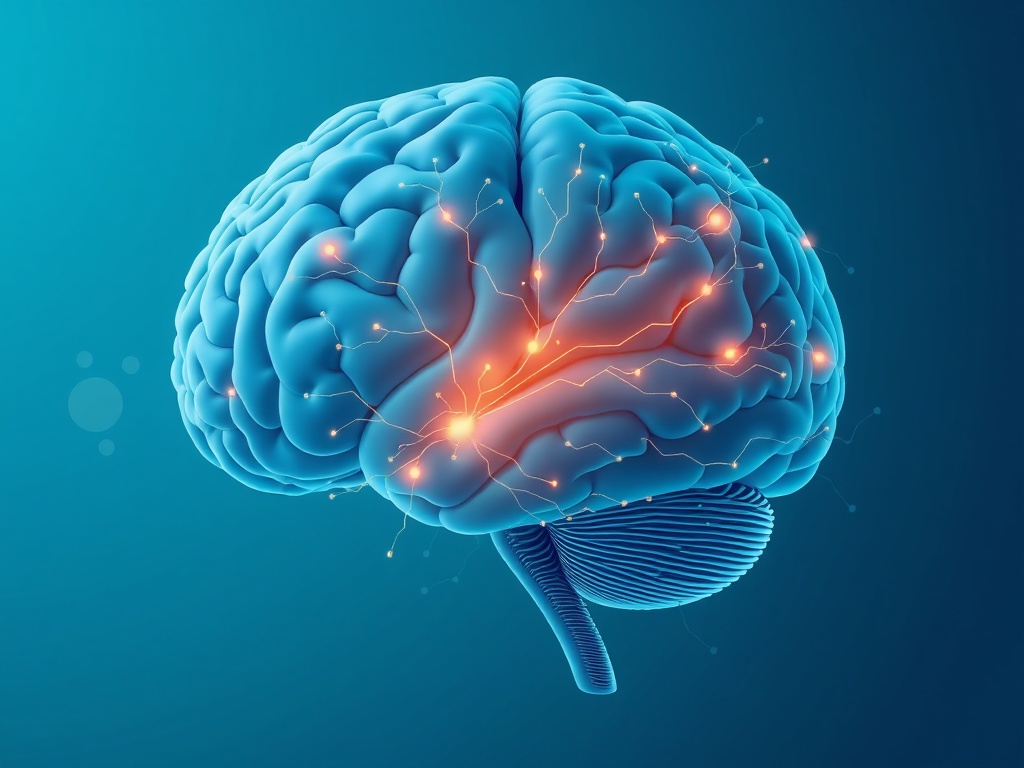
In Delhi, dementia affects increasing numbers of older adults as the population ages. Professional psychiatric and medical management can help slow progression, manage behavioral symptoms, and maintain quality of life for both individuals with dementia and their families.
Why Professional Care Matters
- ✓ Early diagnosis can slow cognitive decline significantly
- ✓ Behavioral and psychological symptoms can be effectively managed
- ✓ Medication and non-medication approaches improve quality of life
- ✓ Family support and caregiver education improve outcomes
- ✓ Early planning helps with legal, financial, and care decisions
Types of Dementia
Alzheimers Disease
The most common form of dementia, accounting for 60-80% of cases. Characterized by accumulation of amyloid plaques and tau tangles in the brain, leading to progressive neurodegeneration.
Characteristics:
- • Early memory loss, especially short-term memory
- • Gradual progression over 8-10 years
- • Difficulty with language and word-finding
- • Changes in behavior and personality
- • Eventually affects all cognitive functions
Vascular Dementia
Caused by reduced blood flow to the brain due to stroke, blockages, or blood vessel disease. The second most common type of dementia.
Characteristics:
- • Sudden onset of cognitive decline (after stroke)
- • Step-like progression with periods of stable and declining function
- • Difficulty with planning and decision-making
- • Physical symptoms (weakness, slurred speech)
- • Often preventable or slowed through cardiovascular management
Lewy Body Dementia
Caused by accumulation of abnormal protein deposits (Lewy bodies) in the brain. Often mistaken for Parkinsons disease or Alzheimers due to overlapping symptoms.
Characteristics:
- • Fluctuating cognition and alertness
- • Visual hallucinations (seeing things)
- • Movement problems (Parkinsons-like symptoms)
- • Sleep behavior problems (acting out dreams)
- • Sensitivity to certain medications
Frontotemporal Dementia
Affects the frontal and temporal lobes of the brain. Often appears in younger people (40s-60s) and primarily affects behavior and personality before memory.
Characteristics:
- • Personality and behavior changes (inappropriate behavior, apathy)
- • Language difficulties
- • Relatively preserved memory early on
- • Poor judgment and decision-making
- • Affects younger individuals more commonly

Signs and Symptoms of Dementia
Cognitive Symptoms
- • Memory loss (especially short-term initially)
- • Difficulty concentrating or focusing
- • Problems with language and word-finding
- • Impaired judgment and decision-making
- • Difficulty with complex tasks and problem-solving
- • Confusion about time, place, or people
- • Getting lost in familiar places
Behavioral and Emotional Symptoms
- • Anxiety and fear
- • Depression and apathy
- • Agitation and irritability
- • Behavioral disinhibition (inappropriate behavior)
- • Paranoia and suspiciousness
- • Hallucinations or delusions
- • Personality changes
Other Common Symptoms
- • Sleep disturbances and insomnia
- • Loss of appetite or eating difficulties
- • Incontinence (loss of bladder control)
- • Difficulty with daily activities and self-care
- • Movement problems and coordination difficulties
- • Wandering and inability to stay in place
Stages of Dementia Progression
Early Stage (Mild Cognitive Impairment)
Symptoms are subtle and may be dismissed as normal aging. The person may still function independently but experiences some difficulty.
- • Memory lapses (misplacing items, forgetting words)
- • Difficulty with complex tasks
- • Mood changes (depression, irritability)
- • Decreased energy and motivation
- • Duration: May last 2-7 years
Middle Stage (Moderate Dementia)
Cognitive decline becomes more apparent, and behavioral symptoms often emerge. The person increasingly requires assistance with daily activities. This is typically the longest stage.
- • Increased memory loss and confusion
- • Difficulty recognizing people and places
- • Behavioral and personality changes
- • Sleep disturbances and wandering
- • Need for assistance with daily activities
- • Duration: May last 2-10 years or longer
Late Stage (Severe Dementia)
Extensive neurological decline requiring full-time care. Communication and physical abilities are severely impaired.
- • Severe memory loss and loss of communication ability
- • Loss of awareness of surroundings and personal history
- • Full dependence for all daily activities
- • Physical decline (swallowing difficulty, incontinence)
- • Requires 24-hour care and monitoring
- • Duration: Typically 1-3 years
Treatment and Management Approaches
Medication Management
Cognitive Enhancement: Cholinesterase inhibitors (donepezil, rivastigmine) and memantine slow cognitive decline by supporting brain neurotransmitters.
Behavioral Symptom Management: Medications for depression, anxiety, agitation, and sleep problems.
Regular Monitoring: Adjustments based on response and side effects.
Behavioral and Psychological Interventions
Cognitive Stimulation Therapy: Activities to engage cognition and maintain function.
Reality Orientation: Techniques to improve awareness of time, place, and person.
Reminiscence Therapy: Sharing memories and life story to improve mood and engagement.
Lifestyle and Environmental Modifications
Regular Physical Activity: Exercise improves cognition, mood, and physical health.
Cognitive Engagement: Reading, puzzles, social activities maintain mental function.
Safety Modifications: Home safety assessments to prevent falls and injuries.
Structured Routine: Consistent daily schedule reduces confusion and agitation.
Caregiver Support and Education
Education: Understanding dementia, progression, and management strategies.
Behavioral Management: Techniques for managing difficult behaviors and communication.
Stress Management: Support for caregiver burnout and mental health.
Support Groups: Connection with other caregivers for shared experiences and practical tips.

Medical Management of Co-occurring Conditions
Cardiovascular Health: Managing hypertension, diabetes, and heart disease to slow vascular dementia.
Depression and Anxiety: Treatment of mood disorders improves quality of life.
Sleep Disorders: Management of insomnia and sleep disturbances.
Other Medical Conditions: Optimization of overall health to support cognitive function.
Frequently Asked Questions
What is the difference between normal aging and dementia? ›
Normal aging involves occasional memory lapses and slower processing of information. Dementia involves significant cognitive decline that interferes with daily functioning, affecting memory, thinking, behavior, and ability to perform basic tasks. If cognitive changes are affecting daily life, professional evaluation is important.
Can dementia be cured? ›
Currently, dementia cannot be cured, but early diagnosis and treatment can slow progression and manage symptoms effectively. Some types of dementia, such as those caused by vitamin deficiency or medication side effects, may be reversible. Treatment focuses on maintaining quality of life and slowing cognitive decline.
What are the treatment options for dementia? ›
Treatment includes medications (cholinesterase inhibitors, memantine) to slow cognitive decline, management of behavioral symptoms, treatment of co-occurring conditions (depression, anxiety), cognitive rehabilitation, lifestyle modifications, and caregiver support. A comprehensive approach addressing medical, cognitive, behavioral, and psychosocial factors is most effective.
How does dementia affect behavior and mood? ›
Dementia commonly causes behavioral and psychological symptoms including depression, anxiety, agitation, aggression, hallucinations, apathy, and sleep disturbances. These symptoms often result from the underlying brain changes and can be managed through medication, behavioral strategies, and environmental modifications to reduce triggers.
What support is available for family caregivers? ›
Caregiver support includes education about dementia, behavioral management strategies, respite care options, support groups, counseling for caregiver stress and burnout, and help with care planning. Supporting the caregiver is essential for better outcomes for both the person with dementia and their family.
How is dementia diagnosed? ›
Diagnosis involves comprehensive evaluation including cognitive testing, neuropsychological assessment, medical history, physical examination, and neuroimaging (MRI, CT scan). Blood tests rule out reversible causes like vitamin deficiencies or thyroid dysfunction. Dr. Sidharth Sood provides detailed evaluation to identify the type and stage of dementia.
Why Choose Dr Sidharth Sood for Dementia Care?
Geriatric Psychiatry Expertise
Specialized training in geriatric psychiatry and cognitive disorders from NIMHANS
Comprehensive Assessment
Thorough cognitive, psychiatric, and medical evaluation for accurate diagnosis
Evidence-Based Treatment
Uses latest medications and behavioral interventions with proven effectiveness
Caregiver Support
Comprehensive education and support for family members and caregivers
Compassionate Care
Empathetic, patient-centered approach respecting dignity and autonomy
Multiple Consultation Options
In-person, online, and WhatsApp consultations at multiple clinics
Expert Dementia Care in Delhi
Early diagnosis and professional management can significantly improve quality of life for individuals with dementia and their families.