Executive Dysfunction in ADHD: Why Your Brain Struggles to Start Tasks
Many adults describe a frustrating experience: they know exactly what they need to do, but they feel unable to begin the task. This difficulty is related to executive dysfunction, one of the core features of ADHD. Learn what's happening in your brain and how treatment can help.
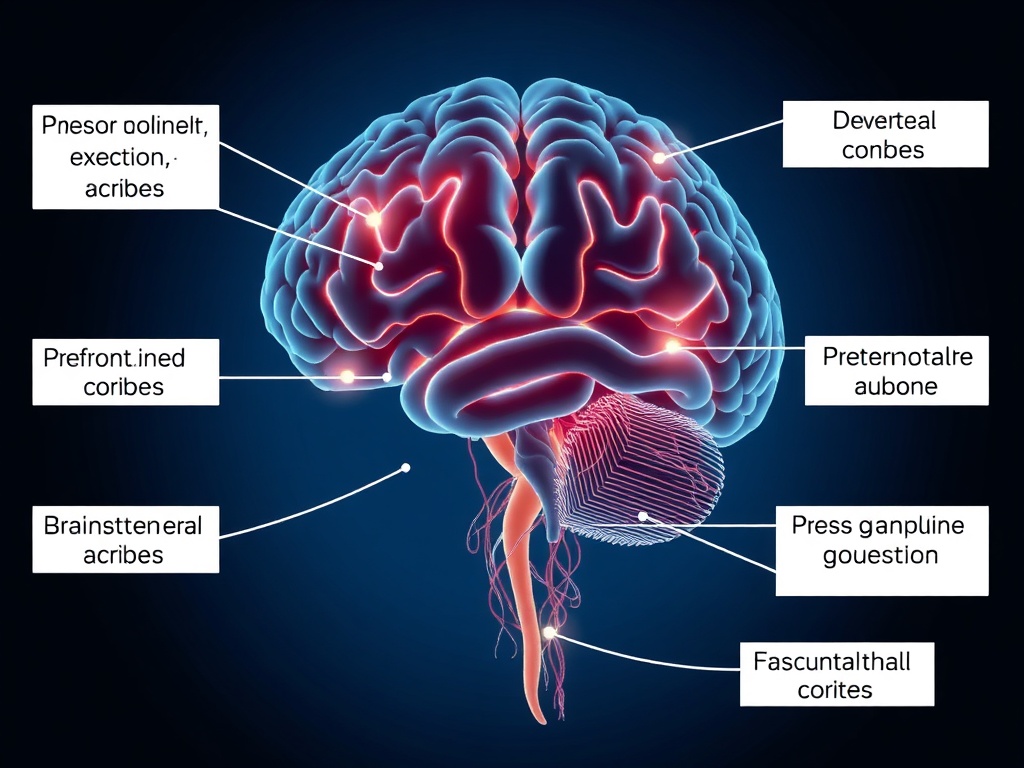
What Are Executive Functions?
Executive functions are mental processes that allow us to manage complex tasks and regulate our behaviour. They include:
• Planning and prioritizing tasks
• Organizing information
• Initiating activities
• Maintaining attention
• Managing time
• Controlling impulses
These functions are primarily coordinated by networks in the prefrontal cortex, which acts as the brain's "management system". When executive functioning works well, people can translate intentions into actions. When it is impaired, individuals may struggle to start tasks even when they fully understand their importance.
Why Executive Dysfunction Happens in ADHD
ADHD involves differences in brain circuits that regulate attention, motivation, and reward processing. Research suggests that ADHD is associated with alterations in dopamine signaling, particularly in networks connecting the prefrontal cortex and basal ganglia.
These circuits are responsible for:
- • Sustaining effort on non-stimulating tasks
- • Regulating motivation and goal-directed behavior
- • Initiating goal-directed actions
- • Maintaining focus despite distractions
When these systems function differently, tasks that feel boring or delayed in reward may be difficult to initiate. This explains why individuals with ADHD may struggle with routine tasks but can sometimes focus intensely on activities that are stimulating or urgent.
Reference: Faraone SV et al. (2021) The World Federation of ADHD International Consensus Statement. Neuroscience & Biobehavioral Reviews.
Common Signs of Executive Dysfunction
Executive dysfunction can present in many ways:
Chronic procrastination
Difficulty starting tasks
Poor time management
Frequently losing track of priorities
Disorganization
Feeling overwhelmed by simple responsibilities
Difficulty completing projects
These difficulties may occur even in highly capable or intelligent individuals. Executive dysfunction is not a reflection of intelligence or effort; it is a neurobiological difference in how the brain manages executive tasks.
Why Highly Intelligent People May Still Struggle
Many people with ADHD perform well academically or professionally. However, they often rely on coping strategies such as:
Compensation Strategies
- • Last-minute bursts of productivity
- • Working under intense deadlines
- • Relying on external pressure to initiate tasks
- • Creating artificial urgency
Long-Term Cost
While these strategies may allow individuals to function, they often lead to chronic stress, exhaustion, burnout, and inconsistent performance. Over time, relying solely on crisis-driven productivity becomes unsustainable.
Emotional Impact of Executive Dysfunction
Living with untreated executive dysfunction can lead to:
Chronic frustration with self
Low self-confidence
Feelings of inadequacy
Anxiety and burnout
Many adults spend years believing they are simply "not disciplined enough," when the real issue is a neurodevelopmental condition. This self-blame can worsen emotional wellbeing and delay treatment seeking.
Treatment and Support
Executive dysfunction associated with ADHD can improve significantly with appropriate treatment. Management may include:
Medical Treatment
- • ADHD medications (stimulant and non-stimulant)
- • Medication optimization for task initiation
- • Management of co-occurring conditions
Behavioral Strategies
- • Cognitive and behavioral strategies
- • Structured planning techniques
- • Sleep and lifestyle optimization
- • Executive function coaching
A comprehensive approach addressing both the neurobiological and behavioral aspects of executive dysfunction tends to produce the best outcomes. Professional psychiatric evaluation can help determine the right treatment plan for your specific situation.
ADHD Self-Assessment
If you experience persistent problems with task initiation, organization, or focus, you may wish to complete our screening questionnaire:
Take Adult ADHD TestFrequently Asked Questions
What is executive dysfunction in ADHD? ▼
Executive dysfunction refers to difficulty with mental processes that manage complex tasks and regulate behavior, including planning, organizing, task initiation, attention maintenance, and time management. In ADHD, these functions are impaired due to differences in prefrontal cortex and dopamine signaling.
Why do people with ADHD struggle to start tasks? ▼
ADHD involves differences in brain circuits that regulate motivation and reward processing. Tasks that feel boring or offer delayed rewards may fail to activate motivation systems effectively, even when the person knows the task is important and wants to complete it.
Is task initiation difficulty a sign of laziness? ▼
No. Laziness involves unwillingness to put in effort, while executive dysfunction involves inability to initiate or sustain effort despite genuine desire to do so. People with executive dysfunction often feel frustrated with themselves precisely because they want to perform better but struggle to begin.
Can executive dysfunction improve with treatment? ▼
Yes. ADHD treatment including medications, cognitive and behavioral strategies, and lifestyle modifications can significantly improve executive function. Treatment helps regulate dopamine signaling and strengthen neural circuits involved in task initiation and planning.
What is the role of dopamine in executive dysfunction? ▼
Dopamine is crucial for motivation and reward processing. In ADHD, dopamine signaling differences mean that non-urgent or non-stimulating tasks may not activate sufficient motivation. This explains why people with ADHD can hyperfocus on interesting activities but struggle with routine responsibilities.
Learn More About ADHD Diagnosis
For comprehensive information about ADHD symptoms, diagnosis, and evidence-based treatment approaches, visit our complete ADHD treatment page.
Why Choose Dr Sidharth Sood
Elite Medical Credentials
- ✓ DM Addiction Psychiatry – AIIMS New Delhi (rare specialization - only 5-10 specialists per year in India)
- ✓ MD Psychiatry – Institute of Human Behaviour & Allied Sciences (IHBAS)
- ✓ DNB Psychiatry – National Board of Examinations
- ✓ MBBS – Maulana Azad Medical College (MAMC), Delhi
Proven Expertise
- ✓ Evidence-based psychiatric treatment with latest protocols
- ✓ Addiction psychiatry specialist with DM qualification
- ✓ Advanced neuromodulation therapies (TMS, Theta Burst Stimulation)
- ✓ Personalized treatment plans with proven recovery outcomes
Our Treatment Approach
Comprehensive Evaluation
Thorough psychiatric assessment to understand your unique condition and treatment needs
Evidence-Based Care
Latest medications, therapies and protocols based on clinical research and best practices
Compassionate Support
Confidential, respectful care focused on your recovery and long-term wellbeing
Recognized Authority
50+
Patients Monthly
4.9/5
Patient Rating (43 reviews)
15+
Years Experience
AIIMS
Trained Specialist