ADHD in Children: Understanding Symptoms and Finding Solutions
Attention-Deficit/Hyperactivity Disorder (ADHD) is one of the most common neurodevelopmental conditions affecting children. Learn what ADHD looks like in childhood, how it differs between boys and girls, and evidence-based approaches to diagnosis and treatment.
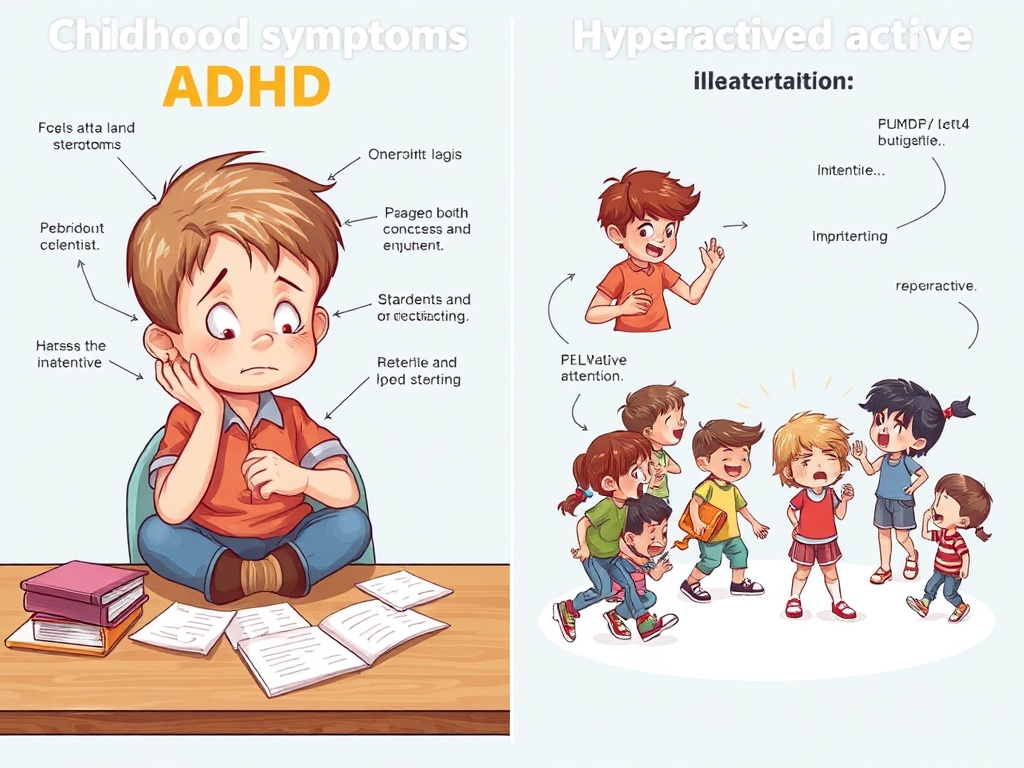
Understanding ADHD in Children
Attention-Deficit/Hyperactivity Disorder (ADHD) is characterized by persistent patterns of inattention, hyperactivity, and impulsivity that interfere with functioning at school, home, and social environments.
ADHD is not a behavioral problem or a sign of poor parenting. It is a neurodevelopmental condition reflecting differences in brain structure and function related to attention, impulse control, and executive functioning.
Studies suggest ADHD affects approximately 5–7% of children worldwide. It is one of the most common conditions diagnosed in childhood.
Symptoms usually appear in early childhood and may become more noticeable when children begin school, where demands for sustained attention and organization increase significantly.
Reference: Polanczyk GV et al. The Worldwide Prevalence of ADHD. American Journal of Psychiatry.
Common Symptoms of ADHD in Children
Children with ADHD may show various symptoms related to inattention and/or hyperactivity-impulsivity:
• Difficulty paying attention in class
• Frequent mistakes in schoolwork
• Excessive talking
• Difficulty waiting their turn
• Interrupting others
• Running or climbing excessively
• Losing school materials
• Difficulty organizing activities
Important: Symptoms must occur in more than one setting (such as home and school) to meet diagnostic criteria. A single setting where problems occur is not sufficient for diagnosis.
ADHD Presents Differently in Boys and Girls
ADHD may appear differently in boys and girls, which can lead to significant differences in detection and diagnosis rates.
Boys with ADHD
- • Often show obvious hyperactive behaviors
- • May be disruptive in class
- • Display impulsive actions and interrupting
- • More likely to be referred for evaluation
- • Symptoms are easier to notice
- • Higher rates of diagnosis
Girls with ADHD
- • Often present with inattention and daydreaming
- • May appear quiet or compliant in class
- • Hyperactivity may be internalized
- • Less likely to be referred for evaluation
- • Symptoms may be overlooked or attributed to shyness
- • Higher risk of underdiagnosis
Because girls' presentations are often less disruptive, ADHD in girls is frequently missed until later in childhood, adolescence, or even adulthood. This underdiagnosis can lead to years of unnecessary struggles and missed opportunities for early intervention.
ADHD Diagnosis in Children
Diagnosis involves a comprehensive clinical assessment by a qualified mental health professional, typically a psychiatrist, psychologist, or pediatric neurologist. The assessment includes:
Detailed Developmental History: Information about the child's developmental milestones, early behaviors, and symptom onset
Parent and Teacher Reports: Input from multiple caregivers about symptoms across different environments
Multi-Setting Evaluation: Assessment of how the child functions at home, school, and social settings
Standardized Rating Scales: Use of validated instruments like the Vanderbilt Rating Scale or Conners Scale
Medical Evaluation: Ruling out medical conditions that may mimic ADHD
DSM-5-TR Criteria: The Diagnostic and Statistical Manual of Mental Disorders (DSM-5-TR) provides the gold standard criteria for diagnosis, requiring evidence of symptoms before age 12, presence in multiple settings, and clinically significant impairment.
Treatment for ADHD in Children
Effective ADHD treatment typically involves a multimodal approach tailored to the individual child's needs and severity:
Behavioral Interventions
- • Behavioral therapy with the child
- • Positive reinforcement strategies
- • Clear structure and routines
- • Token economies and reward systems
- • Cognitive behavioral therapy techniques
Parent and School Support
- • Parent training in behavior management
- • School-based interventions and accommodations
- • IEP or 504 plan development
- • Teacher training and collaboration
- • Family counseling when indicated
Medication
When appropriate, ADHD medications can significantly improve attention, impulse control, and behavioral regulation. Medication decisions are made collaboratively between parents and the psychiatrist based on symptom severity and individual factors.
Common classes include stimulants (methylphenidate, amphetamine-based medications) and non-stimulants (atomoxetine, guanfacine, clonidine). Medications are carefully monitored for effectiveness and side effects.
Early Intervention Benefits: Early diagnosis and treatment can significantly improve long-term outcomes including academic performance, social relationships, self-esteem, and overall quality of life.
The Impact of Untreated ADHD in Children
Without recognition and treatment, childhood ADHD can have significant impacts across multiple life domains:
Academic: Poor grades, school failure, or placement in special education
Social: Peer rejection, bullying, and difficulty maintaining friendships
Emotional: Low self-esteem, anxiety, and depression
Behavioral: Increased risk of conduct problems and oppositional behaviors
Research shows that children who receive timely diagnosis and appropriate treatment experience better long-term outcomes in education, mental health, and social functioning.
When to Seek ADHD Evaluation
Consider having your child evaluated if you notice:
- • Persistent difficulty focusing or sustaining attention despite clear instructions
- • Hyperactive or impulsive behavior that interferes with learning or relationships
- • Problems organizing schoolwork or losing materials frequently
- • Academic performance that doesn't match your child's intelligence or ability
- • Difficulty following through on tasks or instructions
- • Symptoms that appear in multiple settings (home and school)
- • Teacher concerns about attention or behavior in the classroom
Early evaluation is important: Early identification allows for timely intervention, which can prevent secondary problems like low self-esteem, academic failure, and social difficulties. If you have concerns, discuss them with your child's pediatrician or a mental health professional.
Start With an Assessment
If you're concerned about your child's attention, behavior, or school performance, our interactive screening questionnaire can help you understand whether ADHD evaluation may be beneficial.
Take ADHD Assessment TestProfessional ADHD Diagnosis and Treatment
Dr Sidharth Sood is a Psychiatrist with extensive expertise in child and adolescent ADHD evaluation and treatment. He provides comprehensive assessment and evidence-based interventions to help children with ADHD reach their full potential.
Frequently Asked Questions
At what age can ADHD be diagnosed in children?
ADHD can typically be reliably diagnosed around age 4-5 and older. However, some symptoms may be apparent earlier. Diagnosis requires evidence that symptoms appeared before age 12, according to DSM-5-TR criteria.
Is ADHD just about hyperactivity?
No. ADHD has three presentations: predominantly inattentive type (primarily attention problems), predominantly hyperactive-impulsive type, and combined type. Children can have ADHD without being hyperactive.
Can diet changes or supplements cure ADHD?
While healthy diet and certain supplements may support overall health, they are not curative treatments for ADHD. Evidence-based treatments include behavioral strategies and medication when indicated. Any dietary modifications should be discussed with the child's doctor.
Will my child outgrow ADHD?
While symptoms may change over time, ADHD typically persists into adolescence and adulthood in most individuals. However, with proper management and support, children can develop coping strategies and reach their full potential.
Are ADHD medications addictive?
When prescribed appropriately for children with ADHD and monitored by a psychiatrist, ADHD medications are safe and not addictive. The risk of addiction is actually lower in children treated for ADHD compared to those left untreated.
How can I help my child with ADHD succeed in school?
Effective strategies include establishing clear routines and structure, using visual reminders, breaking tasks into smaller steps, providing immediate positive feedback, collaborating with teachers on classroom accommodations, and considering a 504 plan or IEP when appropriate.
Concerned About Your Child's ADHD?
Take the first step toward understanding and supporting your child's development.