Study Resources
Psychiatry Revision & Exam Preparation
Quick revision guides, mechanism-based psychiatry notes, exam-oriented study materials, and clinical pearls for DM, MD, and psychiatric specialty examinations.
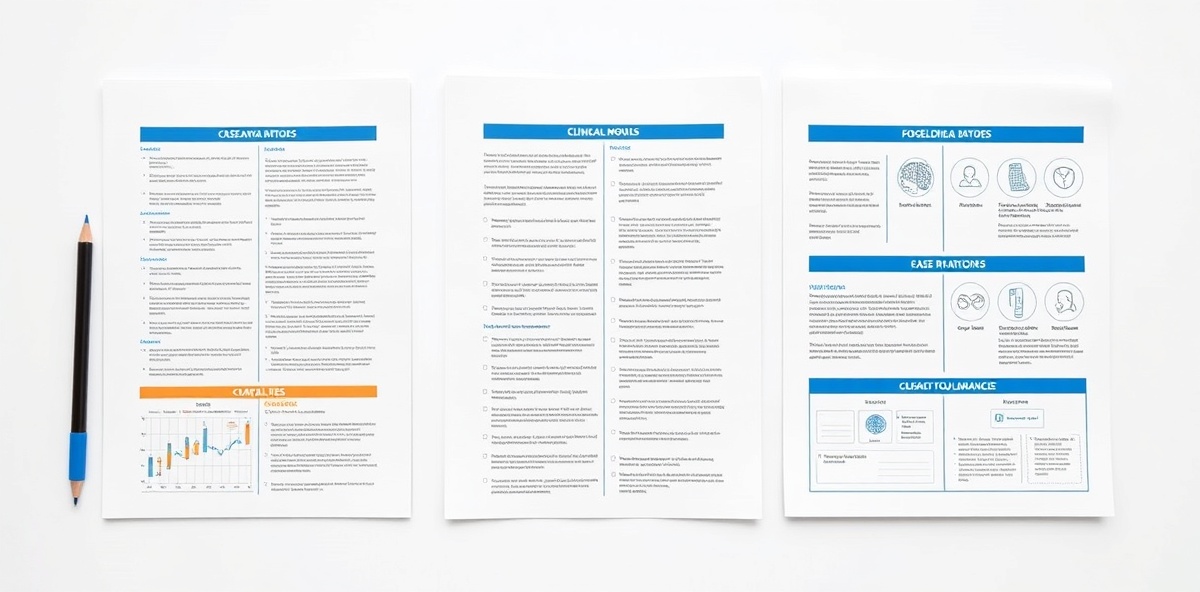
Psychiatry Revision & Exam Preparation
Quick revision guides, mechanism-based psychiatry notes, exam-oriented study materials, and clinical pearls for DM, MD, and psychiatric specialty examinations.
| Parameter | Details |
|---|---|
| Drug Class | μ-opioid receptor antagonist; Opioid antagonist class |
| Mechanism | Blocks μ-opioid receptors → reduces reward salience and craving → decreases addictive behavior reinforcement |
| Indications |
• Alcohol use disorder (FDA-approved) • Opioid dependence (FDA-approved) • Gambling disorder • Behavioral addictions • Self-harm in BPD |
| Dosing |
• Oral: 50-100mg daily (most common: 50mg) • IM: 380mg monthly (extended-release) • Dosing adjustments may be needed in renal impairment |
| Evidence (Alcohol) |
• Reduces heavy drinking (NNT ~12) • Reduces craving • Landmark studies: Volpicelli 1992, O'Malley 1992, COMBINE 2006 • Meta-analysis: Jonas 2014 (JAMA), Rösner 2010 (Cochrane) |
| Advantages |
• Well-tolerated • Evidence-based • Works on reward circuit directly • Safe in mild-moderate liver disease • Transdiagnostic applications |
| Side Effects |
• Nausea (most common) • Headache, dizziness • Abdominal pain • Insomnia • Generally mild and transient |
| Liver Safety |
• Safe in mild-moderate liver disease • Contraindicated in acute hepatitis • Decompensated cirrhosis: avoid • Monitor: baseline LFTs, then 3-6 monthly |
| Contraindications |
• Acute opioid dependence (not yet detoxified) • Acute hepatitis • Opioid use within 7-10 days • Allergy to naltrexone |
| Drug Interactions |
• Minimal significant interactions • May require dose adjustment with certain medications • No interaction with SSRIs or most antidepressants |
| Clinical Pearls |
• Best for high-craving phenotype • Safe in mild-moderate liver disease (monitor) • Underused in behavioral addictions • Long-acting IM form better for poor oral adherence • Combine with psychotherapy for best outcomes |
Class: GABA modulator
Mechanism: Restores glutamate-GABA balance disrupted by alcohol
Indication: Alcohol use disorder maintenance
Dosing: 666mg TID (666-1998mg daily)
Advantage: Safe in liver disease, no hepatotoxicity concerns
Note: Renal excretion; adjust in renal impairment
Class: Aldehyde dehydrogenase inhibitor
Mechanism: Creates aversion to alcohol (disulfiram reaction)
Indication: Alcohol use disorder (behavioral deterrent)
Dosing: 250mg daily
Advantage: Strong behavioral component; excellent for motivated patients
Caution: Requires patient understanding and commitment
Class: Partial μ-opioid agonist
Mechanism: Partial agonism reduces withdrawal and craving
Indication: Opioid use disorder (maintenance, induction)
Dosing: 2-32mg daily (divided doses)
Advantage: Safer than methadone, lower overdose risk
Note: Lower potential for misuse than methadone
Class: Full μ-opioid agonist (synthetic)
Mechanism: Full agonism; long half-life prevents withdrawal
Indication: Opioid use disorder (maintenance only)
Dosing: 60-120mg daily (induction 20-30mg)
Advantage: Long-acting; effective for severe dependence
Caution: QT prolongation risk; strict monitoring required
Circuit: VTA → Nucleus Accumbens → Prefrontal Cortex
Neurotransmitter: Dopamine drives "wanting," motivation, and reward-seeking behavior
Dysfunction in: Addiction, ADHD, depression (anhedonia)
Treatment approach: Dopamine agonists (methylphenidate, amphetamines for ADHD); dopamine antagonists/modulators (antipsychotics); reward circuit interventions (naltrexone, behavioral therapies)
Circuit: Dorsal raphe → limbic system → prefrontal cortex
Neurotransmitter: Serotonin regulates mood, anxiety, impulse control
Dysfunction in: Depression, anxiety disorders, OCD, impulse control issues
Treatment approach: SSRIs (first-line for depression/anxiety/OCD); serotonin precursors (tryptophan); combination therapies
Role: Primary inhibitory neurotransmitter; reduces neuronal excitability
Dysfunction in: Anxiety, seizures, withdrawal syndromes
Treatment approach: Benzodiazepines (GABA-A agonists); buspirone (alternative); acamprosate (GABA modulation in addiction)
Role: Primary excitatory neurotransmitter; neuroplasticity and learning
Dysfunction in: Addiction (learned behavior), depression, schizophrenia
Treatment approach: Memantine (NMDA antagonist for cognitive disorders); ketamine (NMDA antagonist emerging for depression); acamprosate (glutamate modulation)
Role: Mu, kappa, delta receptors; reward, pain modulation, affect
Dysfunction in: Opioid use disorder, pain syndromes, some affective disorders
Treatment approach: Naltrexone (μ-antagonist for addiction), buprenorphine (partial agonist), methadone (full agonist)
These materials work best as quick reference guides during exam preparation. Use the naltrexone table for drug comparison questions, the mechanism section for pharmacology understanding, and clinical pearls for case-based exam questions.
Focus on understanding mechanism, indications, evidence base, and clinical pearls rather than memorizing dosages. Understand WHY naltrexone is used in certain conditions and WHEN to use alternatives.
These study notes provide quick summaries of concepts covered extensively in the CME masterclass. For deeper understanding, refer to the full course materials on the /cme page.
Yes. All study materials incorporate the latest evidence through 2026. Key studies and evidence are based on current literature and clinical guidelines.
Focus on: (1) circuit-based understanding of addiction, (2) differential diagnosis of substance vs. behavioral addictions, (3) medication evidence and selection criteria, (4) safety monitoring, (5) psychotherapy integration, and (6) dual diagnosis management.
Yes. PDF study guides with all materials including naltrexone tables, mechanism summaries, and clinical pearls can be downloaded for offline study and easy reference.
Combine these study resources with the full CME masterclass for comprehensive expertise in evidence-based addiction psychiatry.