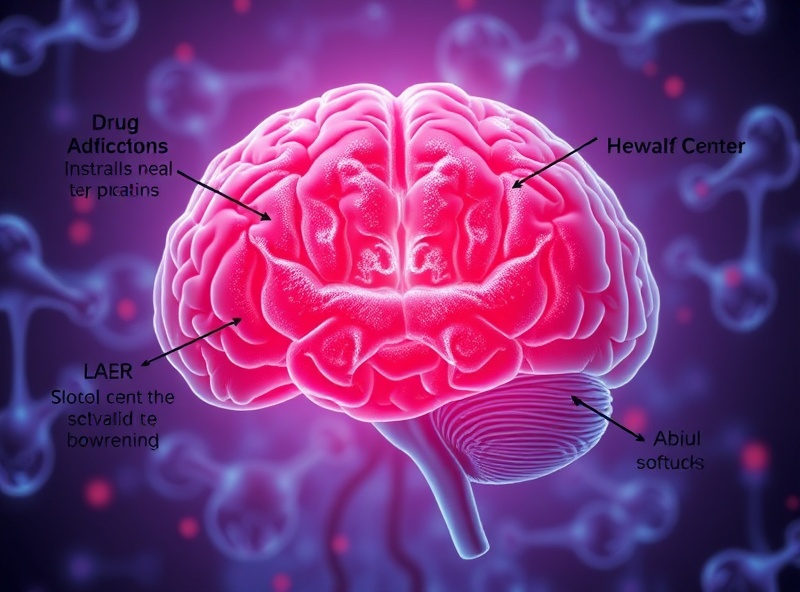
How Addiction Affects the Brain
Understanding addiction neuroscience reframes it from moral failing to medical condition. This knowledge is essential for recovery and rebuilding a healthier brain.
How the Normal Brain Reward System Works
<div style="background:#f8f9fb; padding:20px; border-radius:10px;">
  <h3>The Natural Pleasure Circuit</h3>
  <ul>
    <li>Stimulus occurs (eating, social connection, achievement)</li>
    <li>Dopamine is released (the pleasure neurotransmitter)</li>
    <li>Brain learns to repeat the behavior</li>
    <li>Motivation builds to repeat it again</li>
  </ul>
</div>

<div style="background:#f8f9fb; padding:20px; border-radius:10px;">
  <h3>Dopamine Levels in Natural Rewards</h3>
  <ul>
    <li>Natural pleasure: Dopamine peaks at 1.5x baseline</li>
    <li>The system is designed to reinforce survival behaviors</li>
    <li>Essential for motivation and learning</li>
    <li>Provides balance between needs and behaviors</li>
  </ul>
</div>
How Addictive Substances Hijack the Brain
<div style="background:#f1f3f5; padding:20px; border-radius:10px;">
  <h3>The Dopamine Surge Difference</h3>
  <ul>
    <li>Cocaine: Dopamine increases 3-5x in seconds</li>
    <li>Heroin: Dopamine increases 2-4x in minutes</li>
    <li>Alcohol: Significant dopamine increase in reward pathways</li>
    <li>All 10-100 times higher than natural rewards</li>
  </ul>
</div>

<div style="background:#f1f3f5; padding:20px; border-radius:10px;">
  <h3>What This Creates</h3>
  <ul>
    <li>Powerful conditioning: "This substance = intense pleasure"</li>
    <li>Environmental cues become powerful triggers</li>
    <li>Automatic associations form rapidly</li>
    <li>Motivation to use becomes overwhelming</li>
  </ul>
</div>
Brain Changes That Drive Addiction
<div style="background:#f8f9fb; padding:20px; border-radius:10px;">
  <h3>Tolerance Development</h3>
  <ul>
    <li>Brain adapts to repeated dopamine surges</li>
    <li>Dopamine receptors become less sensitive</li>
    <li>Need more of substance for same effect</li>
    <li>Escalating doses over time</li>
  </ul>
</div>

<div style="background:#f8f9fb; padding:20px; border-radius:10px;">
  <h3>Loss of Control</h3>
  <ul>
    <li>Decision-making areas (prefrontal cortex) weaken</li>
    <li>Impulsive areas (limbic system) strengthen</li>
    <li>Ability to say "no" diminishes</li>
    <li>Compulsive use despite known consequences</li>
  </ul>
</div>

<div style="background:#f8f9fb; padding:20px; border-radius:10px;">
  <h3>Withdrawal Symptoms</h3>
  <ul>
    <li>Brain chemistry becomes dependent on substance</li>
    <li>Without it, dopamine crashes below baseline</li>
    <li>Intense physical and emotional discomfort results</li>
    <li>Stress hormones elevate significantly</li>
  </ul>
</div>

<div style="background:#f8f9fb; padding:20px; border-radius:10px;">
  <h3>Weakened Reward System</h3>
  <ul>
    <li>Natural pleasures lose their appeal</li>
    <li>Nothing feels rewarding without the substance</li>
    <li>Anhedonia: inability to feel pleasure</li>
    <li>Everything feels bland without substance</li>
  </ul>
</div>
Brain Regions Most Affected
<div style="background:#f1f3f5; padding:20px; border-radius:10px;">
  <h3>Prefrontal Cortex (Decision-Making)</h3>
  <ul>
    <li>Function: Controls judgment and impulse control</li>
    <li>Change: Reduced activity and connectivity</li>
    <li>Effect: Impaired judgment and decision-making</li>
  </ul>
</div>

<div style="background:#f1f3f5; padding:20px; border-radius:10px;">
  <h3>Amygdala (Emotional Processing)</h3>
  <ul>
    <li>Function: Fear, emotion, and memory processing</li>
    <li>Change: Increased reactivity to drug cues</li>
    <li>Effect: Powerful automatic craving responses</li>
  </ul>
</div>

<div style="background:#f1f3f5; padding:20px; border-radius:10px;">
  <h3>Striatum (Reward & Habit)</h3>
  <ul>
    <li>Function: Reward processing and habit formation</li>
    <li>Change: Shift from goal-directed to compulsive behavior</li>
    <li>Effect: Automatic, compulsive substance use</li>
  </ul>
</div>
The Good News: Brain Neuroplasticity
<div style="background:#f8f9fb; padding:20px; border-radius:10px;">
  <h3>The Brain Can Heal</h3>
  <ul>
    <li>Neuroplasticity: brain's ability to rewire itself</li>
    <li>New neural pathways can form</li>
    <li>Old maladaptive patterns can be replaced</li>
    <li>Brain function improves significantly with treatment</li>
  </ul>
</div>

<div style="background:#f8f9fb; padding:20px; border-radius:10px;">
  <h3>Recovery Timeline</h3>
  <ul>
    <li>Days-Weeks: Withdrawal decreases, dopamine restabilizes</li>
    <li>Weeks-Months: Brain chemistry normalizes, sleep/mood improve</li>
    <li>Months-Year: Neural remodeling, stress resilience increases</li>
    <li>Year+: Structural changes continue, full recovery possible</li>
  </ul>
</div>
What Supports Brain Recovery
<div style="background:#f1f3f5; padding:20px; border-radius:10px;">
  <h3>Evidence-Based Recovery Support</h3>
  <ul>
    <li>Therapy & CBT: Rewires thought patterns, creates new neural pathways</li>
    <li>Exercise: Increases BDNF, improves dopamine function</li>
    <li>Sleep: Critical for memory and neurotransmitter rebalancing</li>
    <li>Meditation: Strengthens prefrontal cortex, reduces amygdala reactivity</li>
  </ul>
</div>

<div style="background:#f1f3f5; padding:20px; border-radius:10px;">
  <h3>Additional Recovery Factors</h3>
  <ul>
    <li>Medication-Assisted Treatment: Reduces cravings, stabilizes brain chemistry</li>
    <li>Social Connection: Activates reward pathways naturally</li>
    <li>Purpose & Meaning: Builds goal-directed neural circuits</li>
    <li>Time: Allows structural brain changes to solidify</li>
  </ul>
</div>
Addiction is a brain disease with measurable changes—not a moral failing. Understanding this eliminates shame and shows recovery is absolutely possible.
Struggling with Addiction or Substance Use?
Your brain can heal. With professional treatment, therapy, and support, recovery is possible and real improvement happens.
Start Recovery ConsultationBegin Your Brain Recovery Today
Dr. Sidharth Sood specializes in addiction neuroscience and provides evidence-based treatment that addresses these brain changes through medicine and therapy.
Book Consultation

