The Short Answer: Yes
Addiction is a treatable medical condition. With proper professional care, support, and commitment to recovery, people overcome addiction every day and build fulfilling lives.
Understanding Addiction as a Medical Condition
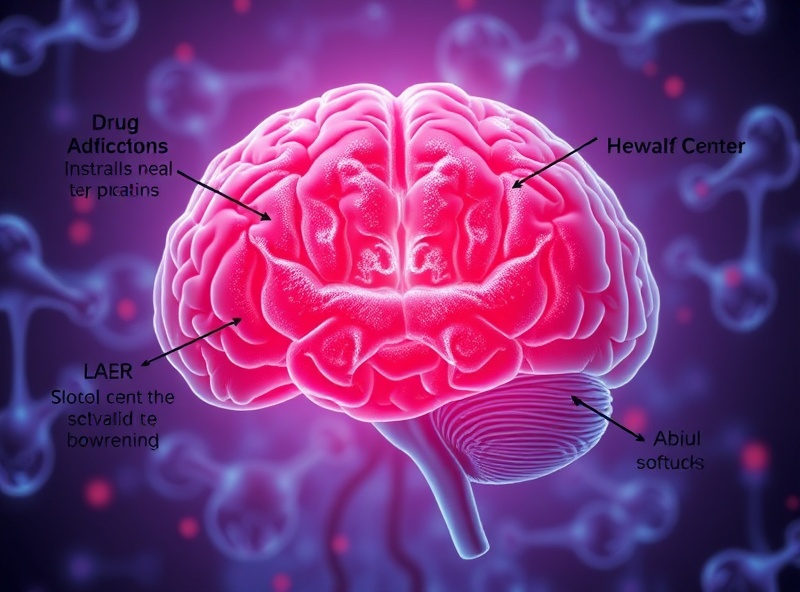
Addiction is not a moral failing or a lack of willpower. It’s a chronic brain disorder characterized by compulsive drug use despite harmful consequences. Modern neuroscience shows that addiction changes the brain’s reward system, making recovery a medical matter, not a character issue.
Why Treatment Works
Neuroplasticity and Recovery
The brain has the ability to rewire itself through repeated new behaviors and experiences. This neuroplasticity is the foundation of addiction recovery. Through treatment, therapy, and lifestyle changes, the brain’s reward pathways can be restored.
Addressing Root Causes
Successful treatment goes beyond stopping substance use. It addresses:
- Underlying mental health conditions (depression, anxiety, PTSD)
- Trauma and emotional pain
- Maladaptive coping mechanisms
- Social and environmental factors
Comprehensive Treatment Approach
Assessment and Detoxification
- Comprehensive evaluation of addiction severity
- Medical monitoring during withdrawal
- Medication to ease withdrawal symptoms
- Stabilization of acute symptoms
Behavioral Therapy
- Cognitive Behavioral Therapy (CBT) - Identify and change triggers and negative thought patterns
- Motivational Interviewing - Build intrinsic motivation for change
- Contingency Management - Positive reinforcement for abstinence
- Family Therapy - Heal relationships and build support
Medication-Assisted Treatment
- Medications for alcohol - Naltrexone, Acamprosate, Disulfiram
- Medications for opioids - Methadone, Buprenorphine, Naltrexone
- Medications for other substances - Tailored to specific addiction
Advanced Treatments
- Neuromodulation - rTMS, Theta Burst Stimulation
- Reduces cravings and supports neurological recovery
Types of Treatment Programs
Inpatient/Residential Treatment
- 24/7 medical supervision
- Structured environment
- Intensive therapy
- Ideal for severe addiction or co-occurring disorders
Outpatient Programs
- Flexible scheduling
- Live at home while receiving treatment
- Suitable for mild-to-moderate addiction
- Allow continued work/family responsibilities
Intensive Outpatient (IOP)
- Multiple sessions per week
- More intensive than standard outpatient
- Balance between flexibility and support
Success Factors in Recovery
Research shows better outcomes with:
- Early Intervention - Seek help as soon as addiction is recognized
- Comprehensive Treatment - Addressing all aspects of the condition
- Long-Term Support - Recovery is ongoing, not a one-time event
- Family Involvement - Support from loved ones significantly improves outcomes
- Continued Therapy - Regular follow-up and maintenance treatment
- Lifestyle Changes - Exercise, healthy eating, stress management, social connection
- Peer Support - Support groups (AA, NA, SMART Recovery)
Relapse: Part of Recovery, Not Failure
Relapse rates for addiction are similar to other chronic conditions like diabetes or hypertension. A relapse doesn’t mean treatment failed—it means the treatment plan needs adjustment. Many people in recovery experience one or more relapses before sustained recovery.
Real Recovery Stories
People successfully recover from addiction every day. With treatment, they:
- Rebuild relationships with family and friends
- Return to work or school
- Achieve financial stability
- Experience improved mental and physical health
- Find meaning and purpose in life
The Investment in Recovery
The cost of untreated addiction—in health complications, lost productivity, relationship damage, and legal issues—far exceeds the cost of treatment. Recovery is an investment with significant returns in quality of life.
Timeline of Recovery
- Days 1-7 - Acute withdrawal management
- Weeks 2-4 - Stabilization and beginning therapy
- Months 2-6 - Intensive treatment and behavioral work
- Months 6-12 - Continued treatment and relapse prevention
- Year 2+ - Maintenance and continued support
Your Path to Recovery Starts Here
Dr. Sidharth Sood specializes in comprehensive, evidence-based addiction treatment. With expertise in both behavioral therapy and advanced medical interventions, Dr. Sood helps patients overcome addiction and build lasting recovery.
Your recovery is possible. Let’s start today.
Begin Treatment | Free Initial Consultation | WhatsApp Support


