I have sat every major medical entrance examination this country offers — from the exam that took me into MBBS at Maulana Azad Medical College to the one that earned a DM seat at AIIMS Delhi. I know the 4 a.m. doubt, the mock-test spiral, the physical dread outside the exam hall. I now treat it professionally. Here is what I wish every aspirant knew.
Anxiety is not your enemy — unregulated anxiety is
Performance psychology has known for over a century that the relationship between arousal and performance is an inverted U: too little activation and you are flat; a moderate amount and you are sharp; too much and performance collapses. The goal was never zero anxiety. The goal is regulated anxiety.
Source: Yerkes-Dodson law, 1908; contemporary performance psychology literature.
Exam anxiety becomes a clinical problem when it crosses from motivating to disabling: panic symptoms during papers, blanking on material you know cold, weeks of insomnia, inability to start studying because the stakes feel paralyzing, or physical symptoms — palpitations, nausea, trembling — at the mere thought of the exam.
What is actually happening in your brain
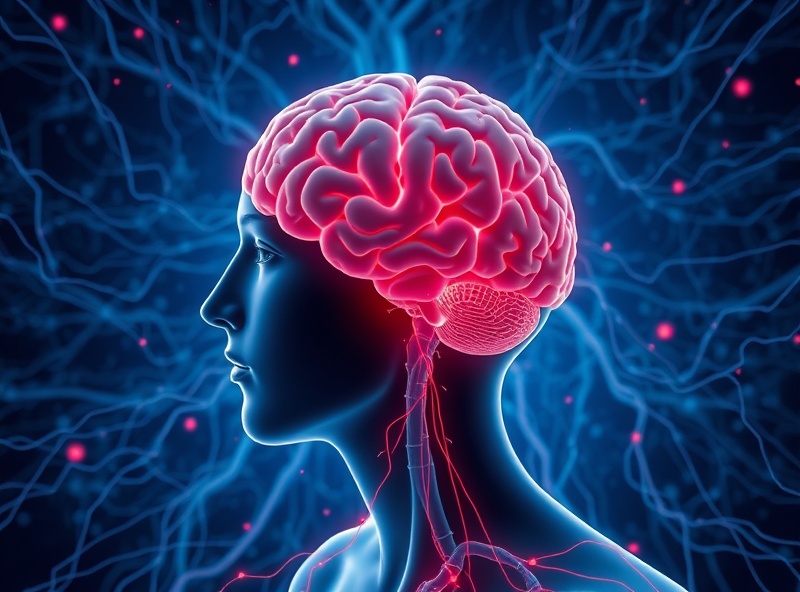
Under perceived threat, the amygdala triggers the stress response and the prefrontal cortex — the region running working memory and recall — is functionally downgraded. This is why you “knew it perfectly at home”. Your knowledge did not vanish; access to it was throttled by an alarm system doing its evolutionary job at the worst possible moment.
Chronic preparation stress adds a second layer: sleep deprivation. Memory consolidation — the process that moves what you studied into stable long-term storage — happens substantially during sleep. The aspirant who cuts sleep to add revision hours is quietly deleting a portion of each day’s work.
What works — in order of evidence
Protect sleep as a study strategy, not a luxury: seven hours is consolidation time. Rehearse under exam conditions, because mock tests are exposure therapy — the anxiety response fades with realistic repetition. Train slow breathing before you need it: physiological calming techniques work in the hall only if practised for weeks beforehand. Structure the syllabus into finishable daily units, since paralysis feeds on vagueness. And watch the self-talk: “If I fail, my life is over” is a cognitive distortion, and cognitive behavioural techniques exist precisely to dismantle it.
When it is more than exam stress
Sometimes “exam anxiety” is the visible tip of something treatable underneath: an anxiety disorder, depression, or — remarkably often in aspirants who “can’t focus despite trying” — undiagnosed ADHD. A proper assessment distinguishes a performance problem from a clinical condition. Where a condition exists, treating it changes everything; coaching alone cannot fix a biological attention deficit.
That is why my performance coaching is integrated with clinical assessment: you get a psychiatrist’s evaluation first, and coaching or treatment — or both — based on what is actually there.
FAQ
Is medication ever used for exam anxiety? When anxiety is part of a diagnosable disorder, evidence-based treatment — which may include medication — can be appropriate. This is decided individually after assessment, never as a shortcut.
How is coaching different from therapy? Coaching targets performance skills — planning, regulation, exam temperament. Therapy treats clinical conditions. An assessment tells us which you need.
I blank out in every mock despite knowing the material. Is that treatable? Yes. Retrieval failure under pressure is a classic, highly treatable presentation. Do not wait until the real exam to address it.