Can You Really Quit Alcohol?
Yes. Alcohol addiction is a treatable medical condition. Thousands of people quit alcohol every year using evidence-based treatment, professional support, and commitment to recovery. Recovery is absolutely possible—with the right approach.
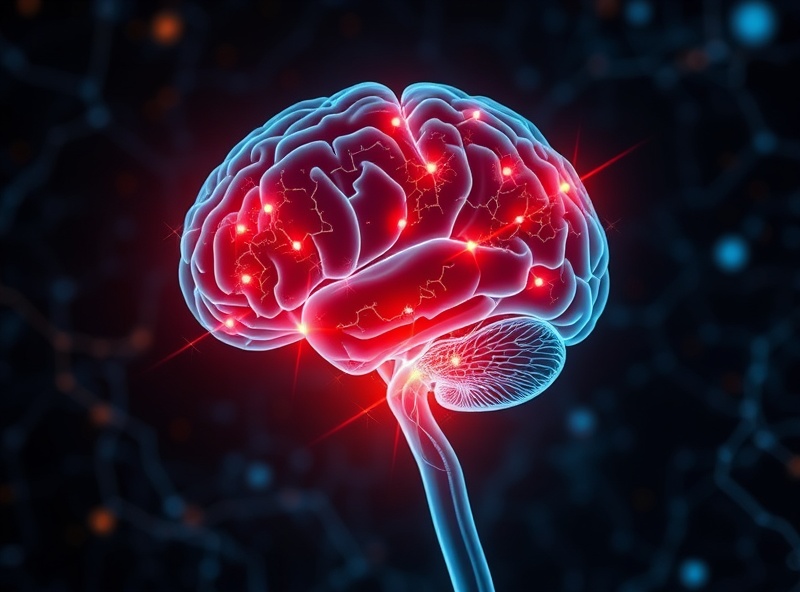
The Brain Science Behind Quitting Alcohol
Before discussing how to quit, it’s important to understand what happens when you stop drinking after heavy use.
Why Quitting is Hard: The Brain Changes
Chronic alcohol use changes your brain:
- Reward System Hijacking: Alcohol floods your brain with dopamine. Over time, your brain produces less natural dopamine and becomes dependent on alcohol for that feeling.
- Tolerance: You need more alcohol to feel the same effects as your brain adapts.
- Dependence: Your brain has rebalanced around alcohol’s presence. When you remove it, the system becomes hyperexcited (withdrawal).
This isn’t weakness—it’s neurobiology. Understanding this removes shame and points to the solution: medical treatment targeting brain chemistry.
Step 1: Assess Your Drinking & Recovery Needs
Know Your Risk Level
Light/Moderate Drinking (Can often quit on your own):
- 1-2 drinks per day for women, 1-3 for men
- No daily drinking pattern
- No failed attempts to quit
- No withdrawal symptoms when not drinking
- Good overall health
Heavy Drinking (Needs professional help):
- More than 3-4 drinks daily
- Daily or near-daily drinking for months/years
- Failed attempts to cut down or quit
- Withdrawal symptoms (tremors, anxiety, sweating)
- Health, relationship, or work problems due to drinking
Very Heavy/Dependent (Requires medical supervision):
- Continuous drinking or large quantities
- Severe withdrawal history (seizures, hallucinations)
- Multiple failed quit attempts
- Serious health conditions
- MUST have medical supervision
Take the Self-Assessment
- Do you drink more than intended?
- Have you failed to cut down despite wanting to?
- Do you experience withdrawal symptoms when not drinking?
- Do you need more alcohol for the same effect?
- Has drinking caused relationship, work, or health problems?
More than 2 “yes” answers = Consult a psychiatrist
Step 2: Seek Medical & Professional Help
Why Professional Help Matters
For light drinkers: Therapy and lifestyle changes often suffice For heavy drinkers: Medication is crucial to prevent withdrawal complications For very heavy drinkers: Medical supervision is essential—withdrawal can be life-threatening
Treatment Options Available in India
1. Medical Detoxification (Inpatient)
- Hospital-based supervised withdrawal
- Medications to prevent seizures and manage withdrawal
- 3-7 days typically
- Best for: Heavy drinkers, withdrawal history, serious health issues
2. Outpatient Treatment
- Daily clinic visits
- Medication management
- Therapy sessions
- Best for: Moderate drinkers, good support at home
3. Rehabilitation Programs
- Residential treatment (1-6 months)
- Comprehensive addiction treatment
- Therapy, education, support groups
- Best for: Long-term recovery support
Step 3: Manage Medical Withdrawal Safely
If you’ve been drinking heavily, don’t stop cold turkey. Medical withdrawal management is critical.
Medical Withdrawal Protocol
Medications Used:
- Benzodiazepines (Diazepam, Lorazepam): Prevent seizures, reduce anxiety
- Thiamine (Vitamin B1): Prevents brain damage
- Naltrexone/Acamprosate: Reduce cravings post-detox
- Disulfiram: Medication that makes you sick if you drink (deterrent)
Monitoring:
- Vital signs checked regularly
- Blood work to assess liver function
- Psychological assessment
- 24/7 support available
Withdrawal Timeline
Hours 6-12: Early symptoms (tremors, anxiety, nausea) Hours 12-48: Peak withdrawal (hallucinations, seizure risk) Days 3-7: Symptoms improving with medical support Weeks 1-4: Continued improvement, beginning therapy
Step 4: Medication-Assisted Treatment (Post-Withdrawal)
After safe withdrawal, medications significantly improve recovery outcomes:
Naltrexone
- Blocks the rewarding effects of alcohol
- Reduces cravings
- Helps prevent relapse
- Safe, well-tolerated
Acamprosate
- Reduces post-withdrawal brain imbalance
- Supports continued abstinence
- Works differently than naltrexone
- Often used long-term
Disulfiram
- Creates unpleasant reaction if you drink
- Works as a deterrent
- Requires strong motivation
- Good for highly motivated patients
Step 5: Psychotherapy for Addiction Recovery
Medical treatment alone isn’t enough. Therapy addresses the underlying reasons for drinking.
Evidence-Based Therapy Types
Cognitive Behavioral Therapy (CBT)
- Identify triggers and thought patterns
- Develop coping strategies
- Change behaviors
- Highly effective for addiction
Motivational Interviewing (MI)
- Builds intrinsic motivation to change
- Explores ambivalence about quitting
- Increases commitment to recovery
Family Therapy
- Heals damaged relationships
- Educates family about addiction
- Builds support system
- Critical for long-term success
Group Therapy
- Share experiences with others in recovery
- Build peer support
- Reduce isolation
Step 6: Lifestyle Changes That Support Recovery
Build a Recovery-Supporting Life
1. Identify and Avoid Triggers
- Situations, people, emotions that trigger drinking urges
- Common triggers: stress, social events, specific friends, boredom, emotional pain
- Create avoidance plan or coping strategy for each
2. Replace Drinking Habits
- What did you do while drinking? Replace with healthy alternative
- Drinking at night? → Exercise, meditation, reading
- Social drinking? → Sober social activities
- Drinking to cope with stress? → Therapy, exercise, mindfulness
3. Build New Social Networks
- Reduce time with heavy-drinking friends initially
- Join recovery groups (AA, SMART Recovery, online communities)
- Find sober friends and activities
- Build genuine connections
4. Manage Stress Without Alcohol
- Exercise: 30 minutes daily reduces cravings and depression
- Meditation/Mindfulness: Reduces anxiety and triggers
- Sleep: Poor sleep increases relapse risk
- Nutrition: Supports brain healing and mood
5. Address Co-occurring Conditions
- Depression: Often develops/worsens with heavy drinking
- Anxiety: May have caused the drinking
- ADHD: Can drive impulsive drinking
- PTSD: Unresolved trauma often underlies addiction
- Treat these conditions simultaneously—critical for recovery
Step 7: Build a Support System
Who You Need in Recovery
Professional Support:
- Psychiatrist for medical management
- Therapist for counseling
- Addiction specialist
- Your primary doctor
Personal Support:
- Trusted family members
- Close friends who don’t drink heavily
- Support group members
- Sponsor (if in 12-step program)
Family’s Role in Recovery
What helps:
- Understanding addiction as a medical condition
- Encouragement without shame
- Setting healthy boundaries
- Attending family therapy
- Learning about recovery
What doesn’t help:
- Blame or judgment
- Enabling (making it easy to drink)
- Hiding the problem
- Threats without follow-through
Step 8: Manage Cravings
Cravings will happen. That’s normal. Here’s how to handle them.
Craving Management Strategies
In the Moment (Minutes 1-5):
- Use HALT: Am I Hungry, Angry, Lonely, Tired?
- Address the underlying need
- Call your sponsor or therapist
- Change environment
- Use breathing techniques
Prevent Cravings:
- Take medication as prescribed (naltrexone reduces cravings)
- Attend therapy/support groups regularly
- Exercise daily
- Sleep adequately
- Maintain social connections
- Address stressors
When Cravings Are Strong:
- Ride it out—cravings typically last 15-30 minutes
- Distraction: Exercise, call someone, engage activity
- Remind yourself why you quit
- Picture your goals
Step 9: Prevent Relapse
Relapse Warning Signs
Early signs (weeks 1-2):
- Isolation from support
- Skipping therapy/meetings
- Romanticizing past drinking
- Hanging out with drinking friends
- Increasing stress/not managing it
- Neglecting self-care
Advanced signs (weeks 3-6):
- Internal debate (“Maybe I can drink moderately”)
- Testing yourself (“One drink won’t hurt”)
- Ending support relationships
- Taking unnecessary risks
Relapse Prevention Plan
Your Personal Plan Should Include:
- Your triggers and how to avoid them
- Coping strategies for each trigger
- People to call if struggling
- Emergency contacts (therapist, psychiatrist, crisis line)
- Reasons to stay sober (written reminders)
If You Relapse:
- It’s a setback, not failure
- 60% of people relapse at some point
- Tell your doctor immediately
- Analyze what happened
- Strengthen support
- Adjust treatment plan
- Get back on track quickly
Real Recovery Timeline: What to Expect
Weeks 1-4: Acute Phase
- Physical withdrawal easing with medication
- Emotional intensity (mood swings, anxiety)
- Sleep improvement
- Brain fog clearing
- Cravings strong but manageable
Months 2-3: Early Recovery
- Mood stabilizing
- Energy returning
- Cravings reducing
- Sleep better
- Relationships improving
- Temptation to drink arises
Months 4-6: Strengthening Phase
- Confidence building
- Social connections improving
- Work/school performance improving
- Noticing health benefits
- Understanding yourself better through therapy
6-12 Months: Consolidation Phase
- New identity forming (as a sober person)
- Relationships significantly improved
- Career/education progress
- Better physical health
- Ongoing therapy
Beyond 1 Year: Long-Term Recovery
- Relapse risk decreases significantly
- Healthy life established
- Continued therapy less frequent
- Medication may continue (beneficial long-term)
- Helping others in recovery
Treatment Resources in India
Professional Help in Delhi
Dr. Sidharth Sood specializes in alcohol addiction treatment with:
- Medical detoxification management
- Medication-assisted treatment
- Evidence-based therapy
- Family support programs
- Online and in-person consultations
Contact: +91-8178816623 | Book Consultation
Related Reading
- Signs of Alcohol Addiction
- Alcohol Withdrawal Symptoms & Timeline
- Alcohol & Brain Science
- Understanding Addiction
Support Resources
- Alcoholics Anonymous (AA): Free, peer-led support meetings
- SMART Recovery: Science-based alternative to 12-step
- Alanon: Support for families of alcoholics
- NAMI: National mental health resources
Key Takeaways: Your Path to Sobriety
-
Alcohol addiction is treatable. Medical science has effective solutions.
-
Don’t do it alone. Professional help (psychiatrist, therapist) dramatically improves success rates.
-
Medical withdrawal matters. Heavy drinkers need supervised detoxification to stay safe.
-
Medication helps. Post-withdrawal medications reduce cravings and relapse risk.
-
Therapy is essential. Address underlying reasons for drinking and develop coping skills.
-
Lifestyle changes are critical. New habits, new friends, stress management, exercise.
-
Cravings are temporary. They pass if you don’t act on them. Ride them out.
-
Recovery is a process. It takes time, but lives improve dramatically over months.
-
Relapse doesn’t mean failure. Many successful people in recovery have relapsed. Get help quickly and restart.
-
It’s worth it. Recovery leads to better health, improved relationships, career success, and genuine happiness.
Start Your Recovery Today
Quitting alcohol is one of the best decisions you’ll make. The first step is reaching out for help.
Dr. Sidharth Sood offers specialized alcohol addiction treatment with evidence-based, compassionate care.
Book Appointment | Consult Online | WhatsApp Now
Important: If you experience severe withdrawal symptoms (hallucinations, seizures, rapid heart rate, extreme confusion), go to the nearest emergency room immediately. Alcohol withdrawal can be medically dangerous without proper treatment.


