Why You Can't Stop Scrolling (Even When You Want To)
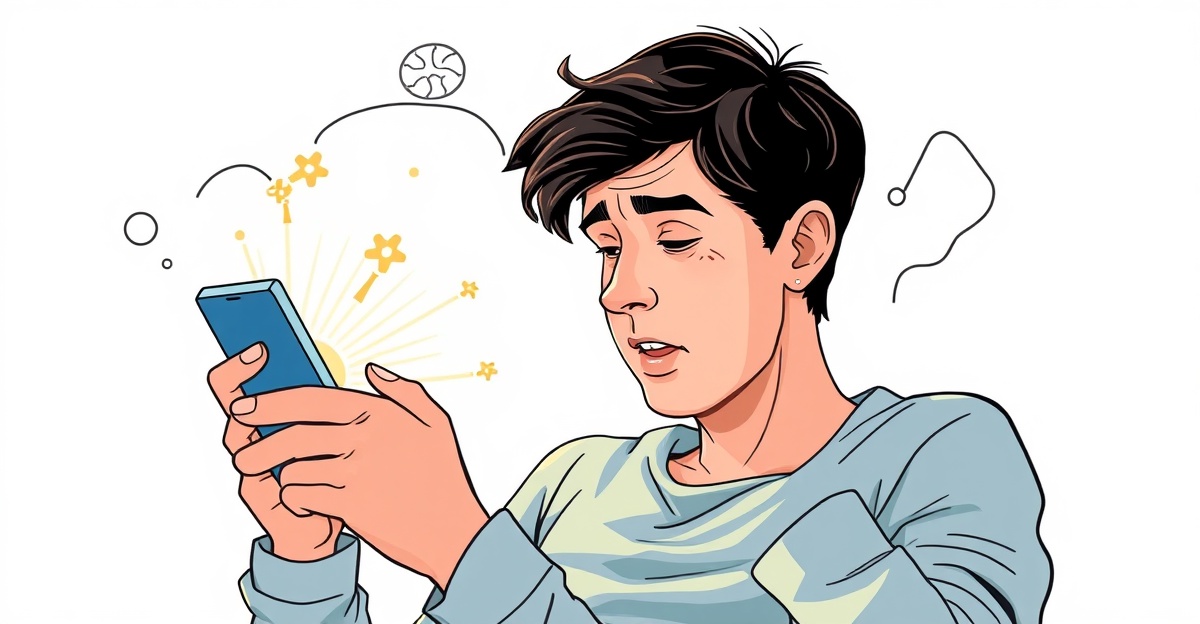
You open your phone for a few minutes… and suddenly it's been 30. This is not a lack of discipline. It's your brain responding exactly as it was designed to.
It's Not About Discipline
Most people assume: "I just need more self-control."
But this is not accurate. When you repeatedly find yourself unable to stop scrolling, the issue is not just willpower. It is a reinforcement pattern in the brain that develops over time.
This is why simple advice to "just stop" fails. The brain has been changed by the behavior.
What Happens in Your Brain
Every time you scroll, something specific happens:
The Variable Reward Loop
- You encounter new, unpredictable content
- Your brain releases dopamine (the reward neurotransmitter)
- You experience a small sense of reward
- Brain learns to repeat the behavior
This is the same mechanism that makes gambling addictive.
Over time:
- Your brain begins to crave constant stimulation
- Your ability to tolerate boredom reduces
- Stopping becomes increasingly difficult
- The behavior becomes automatic
Why You Feel Out of Control
You may notice a pattern of behaviors that signal loss of control:
- Spending more time than intended: You open for "5 minutes" and stay for 30
- Repeated unsuccessful attempts to cut down: You set limits but don't follow them
- Restlessness when not using your phone: You feel anxious or uncomfortable without it
- Difficulty focusing on normal tasks: Your attention becomes fragmented
This reflects a gradual loss of control—not sudden, but progressive. It's the same pattern seen in behavioral addictions.
Is This Addiction?
Not everyone who scrolls excessively has an addiction. However, when this behavior begins to affect:
- Your productivity at work
- Your sleep quality
- Your relationships
- Your mental health
…it starts to resemble patterns seen in behavioral addictions like:
These are recognized psychiatric conditions with clear neurobiological bases.
Why "Just Stop" Doesn't Work
Simple advice like "just reduce screen time" often fails because:
- The brain has already adapted to high dopamine stimulation
- The behavior becomes automatic—not conscious
- Willpower alone is not sufficient to reverse learned patterns
- Just like alcohol addiction, telling someone to "just drink less" rarely works
The issue is that your brain's reward system has been rewired. Dopamine pathways have adapted to constant stimulation.
What Actually Helps
Improvement is not about forcing control—it is about retraining the brain.
Effective Strategies
- Identifying triggers: Which emotions, times, or situations lead to scrolling?
- Structuring your environment: Remove temptations, disable notifications, use app limiters
- Reducing high-stimulation content: Unfollow triggering accounts, limit feed algorithms
- Gradual behavior modification: Don't aim for zero overnight—reduce slowly and sustainably
- Building alternative rewards: Replace scrolling with dopamine-positive activities (exercise, creative work, social connection)
In some cases, professional guidance may be required—especially when the behavior significantly impacts daily functioning.
When to Seek Help
Consider consulting a psychiatrist if:
- You feel persistently unable to control usage
- It is affecting daily functioning, work, or studies
- You experience repeated failed attempts to cut down
- It's impacting sleep, relationships, or mental health
These are not signs of weakness. They are treatable patterns.
Phone scrolling engages the same neurobiological systems as substance addictions. Professional treatment can help recalibrate your brain's reward system.
The Key Insight
Your scrolling habit is not a personal failure—it's your brain responding exactly as designed. But with proper understanding and intervention, you can regain control.
Need Help Understanding Loss of Control?
Phone addiction and impulsive behaviors are treatable. Dr. Sidharth Sood specializes in behavioral addiction and disorders of impulse control.
Schedule Consultation