Confidential, evidence-based treatment by AIIMS Delhi-trained addiction specialist
AIIMS Delhi
Trained Super Specialist
DM Addiction
Psychiatry Qualification
CAMCON NIMHANS
Stimulant Disorders CME
Dual Diagnosis
ADHD + Addiction Expert
Cocaine often starts as occasional use — for energy, confidence, or social situations. But over time, many people notice something shifts.
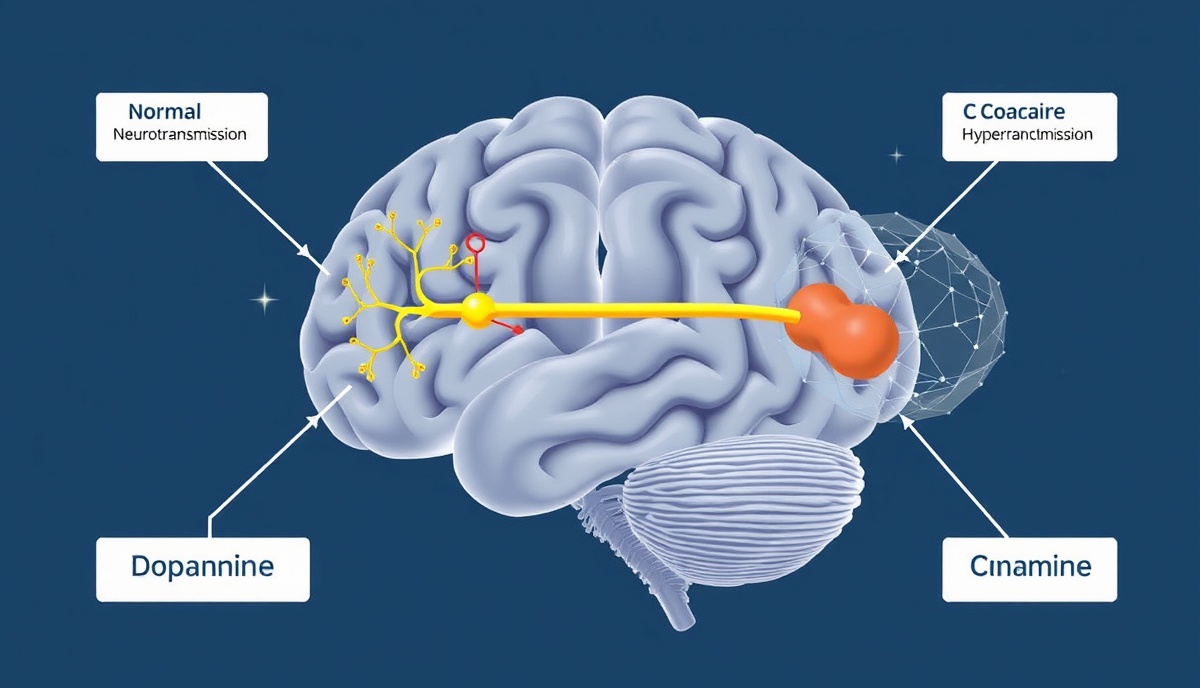
This is not a lack of willpower — it is a dopamine-driven brain disorder. Understanding this distinction is critical because it means treatment focuses on healing the brain, not shame or blame.
Cocaine causes a rapid, dramatic dopamine spike — creating an intense but short-lived high (5-30 minutes depending on route of use).
After the high fades, dopamine levels plummet below normal, creating depression, fatigue, and intense cravings.
With repeated use, the brain reduces natural dopamine production, making normal pleasures feel dull and driving compulsive use.
This cycle creates a powerful reinforcement loop where:
Internal Link: Learn more about stimulant use disorder and how different stimulants affect the brain.
The high lasts only 5-30 minutes, pushing users to take repeated doses in rapid succession. This pattern of binge use accelerates addiction development.
The intensity of dopamine release creates one of the strongest reward signals the brain can experience — stronger than food, sex, or other natural rewards.
The brain can develop addiction to cocaine very quickly — sometimes within weeks of regular use — because the reward signal is so intense.
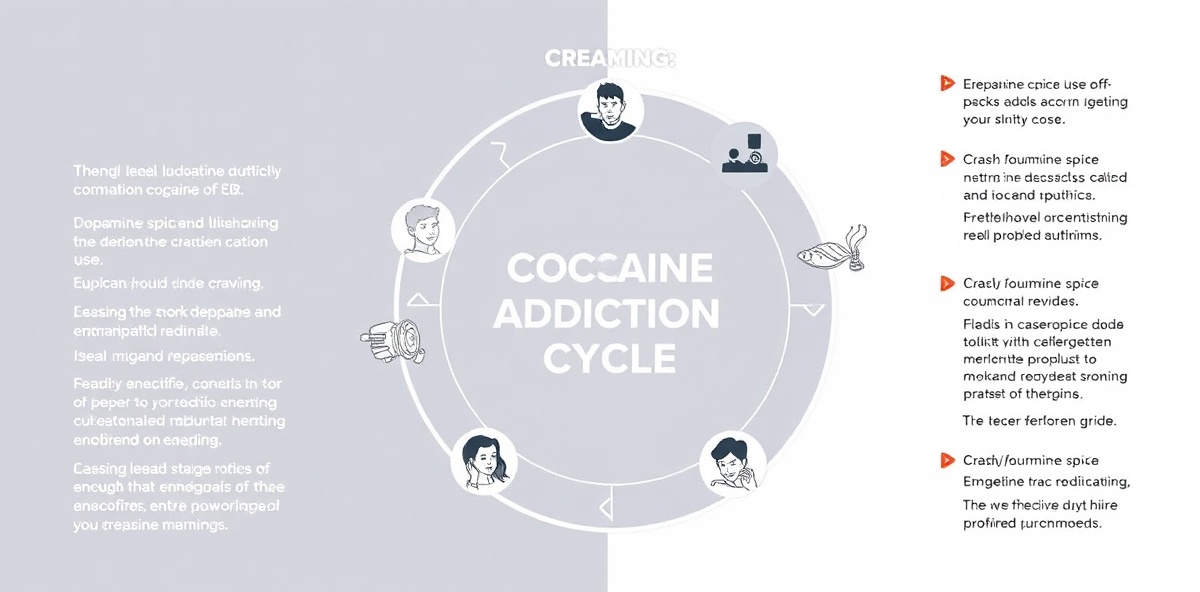
This creates a vicious cycle: use → intense high → quick crash → unbearable craving → compulsive use. This cycle can develop faster with cocaine than with other addictive substances.
After the high wears off, the brain experiences a dramatic dopamine deficit. This crash is often more intense than the initial pleasure was, creating severe negative states:
This crash is the major driver of continued use. People use cocaine again not to get high, but to escape the crash. Understanding this is critical to treatment — it's not about willpower, it's about managing an intolerable neurological state.
Treatment is structured, personalized, and based on what research shows actually works for cocaine addiction recovery.
Understanding your unique situation is essential:
Helps identify and change thought patterns and behaviors that trigger use. Teaches coping skills for managing cravings and high-risk situations.
Resolves ambivalence about change and strengthens intrinsic motivation for recovery. Helps identify personal values and goals beyond addiction.
One of the most effective treatments specifically for cocaine addiction.
Provides tangible rewards for abstinence and treatment engagement. For each negative drug test or achieved milestone, the patient receives reinforcement (vouchers, privileges, or recognition).
Directly addresses the reward system damaged by cocaine. Provides immediate, concrete positive reinforcement that rebuilds the brain's ability to experience pleasure from non-drug rewards.
Improves abstinence rates and treatment retention. Often combined with CBT for maximum effect.
Cocaine relapse is predictable and preventable with the right framework.
Recognizing situations, emotions, and people that increase craving risk.
Understanding the relapse chain: trigger → craving → justification → use. Intervening at each step.
Developing strategies for managing cravings, dealing with stress, and handling high-risk situations.
Building healthy routines: sleep, exercise, nutrition, social connection, meaningful activities.
While there's no direct medication for cocaine addiction, medications help manage co-occurring conditions that drive use:
Research-supported brain stimulation therapies that may help reduce craving and support recovery:
Research shows that people with ADHD are significantly more likely to develop cocaine addiction. Why?
Properly treating ADHD can significantly reduce or eliminate cocaine use. If you have ADHD and use cocaine, addressing both conditions together is critical.
Internal Link: Learn about ADHD assessment and treatment in adults.
Recovery is a progression through distinct phases. Understanding what to expect helps you stay committed.
Intense cravings, withdrawal symptoms, emotional instability, sleep disruption. This is the hardest phase. Structured support is essential.
Cravings decrease but can still be triggered. Emotional regulation improves. Focus shifts to lifestyle building and addressing triggers.
Stabilization of mood and coping. Rebuilding confidence and relationships. Establishing long-term recovery lifestyle.
Maintenance of sobriety, prevention of relapse, continued personal growth, and integration of recovery into life identity.
Relapse can happen during recovery — but it is not failure and does not mean treatment didn't work. If relapse occurs, it's an opportunity to learn what triggered it and adjust treatment strategies. Most successful recoveries involve at least one relapse experience.
Early intervention stops the addiction cycle before it becomes deeply entrenched. Shorter duration of use = easier recovery.
Continued cocaine use damages the heart, brain, and other organs. Early treatment prevents irreversible damage.
Early treatment leads to higher recovery rates, shorter treatment duration, and better long-term outcomes.
AIIMS Delhi-trained super specialist with DM in Addiction Psychiatry — the highest qualification in India.
Advanced training at CAMCON NIMHANS specifically on stimulant use disorders and cocaine addiction.
Expert in treating co-occurring ADHD and addiction — recognizes hidden patterns that others miss.
Uses proven treatments (CBT, contingency management, relapse prevention) backed by neuroscience research.
Committed to sustainable recovery, not quick fixes. Provides ongoing support for lasting change.
Complete privacy and non-judgmental care. Your recovery is the only focus.
Physical signs include dilated pupils, increased heart rate and blood pressure, excessive energy, loss of appetite, weight loss, insomnia, and nasal damage (if snorted). After use, signs include fatigue, depression, irritability, and sleep disturbances.
Cocaine is typically detectable in urine for 2-4 days, in blood for 12-24 hours, and in saliva for 1-2 days. However, the high lasts only 5-30 minutes depending on how it's used, which drives repeated binge use and addiction.
Cocaine withdrawal causes fatigue, depression, anxiety, loss of pleasure (anhedonia), irritability, cravings, and sleep problems. While not medically dangerous, psychological symptoms can be severe and drive relapse, making professional support important.
Chronic cocaine use can cause lasting changes to brain structure and function, particularly in areas responsible for pleasure, motivation, and decision-making. However, with sustained abstinence and treatment, the brain can partially recover and show neuroplastic changes that support recovery.
Recovery from cocaine addiction is possible with the right treatment and support. Schedule a confidential consultation to discuss your situation and start your recovery journey.
Yes, with structured therapy, behavioral support, and proper medical care, recovery is achievable. Many people with cocaine addiction recover and maintain long-term abstinence through evidence-based treatment approaches like CBT, contingency management, and relapse prevention therapy.
There is no single FDA-approved medication specifically for cocaine addiction. However, medications can help manage co-occurring conditions like depression, anxiety, or ADHD, which often contribute to cocaine use. Psychological therapies (CBT, relapse prevention) are the primary treatment approaches.
Recovery is a long-term process. Early stabilization may take 3-6 months, but sustained recovery typically requires 12-24 months or longer of structured care. The timeline varies based on severity, co-occurring conditions, and individual circumstances. Long-term support significantly improves outcomes.
Without treatment, relapse rates are very high. With structured treatment (CBT, contingency management, relapse prevention), relapse can occur but is manageable and does not mean treatment failure. Ongoing support and adjusting treatment strategies help maintain recovery.
Cocaine addiction typically requires professional treatment. The intensity of cravings and withdrawal symptoms make self-treatment very challenging. Structured professional care with therapy, medical support, and behavioral strategies provides the best outcomes for long-term recovery.
Many people with untreated ADHD use cocaine to self-medicate and improve focus. Properly treating ADHD with medical and behavioral approaches can significantly reduce the urge to use cocaine. This is why comprehensive assessment for co-occurring ADHD is critical in cocaine addiction treatment.
Last Updated: 2026-03-26