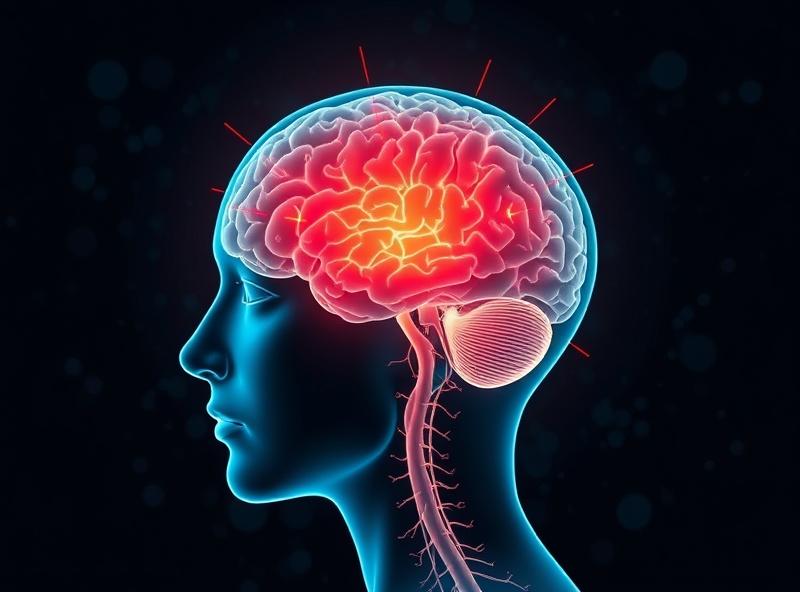
Treatment Options for Anxiety Disorders
Anxiety disorders are highly treatable. Most people experience significant improvement with proper treatment combining therapy, medication, and lifestyle changes.
First-Line Evidence-Based Treatments
<div style="background:#f8f9fb; padding:20px; border-radius:10px;">
  <h3>Cognitive Behavioral Therapy (CBT)</h3>
  <ul>
    <li>Structured, time-limited psychotherapy (12-20 sessions)</li>
    <li>Addresses thought patterns maintaining anxiety</li>
    <li>60-80% show significant improvement</li>
    <li>Benefits often last long-term</li>
    <li>Can be combined with medication</li>
  </ul>
</div>

<div style="background:#f8f9fb; padding:20px; border-radius:10px;">
  <h3>How CBT Works</h3>
  <ul>
    <li>Identifies anxious thoughts and triggers</li>
    <li>Challenges catastrophic thinking patterns</li>
    <li>Teaches relaxation and coping techniques</li>
    <li>Gradually exposes you to feared situations</li>
    <li>Brain learns feared outcome doesn't happen</li>
  </ul>
</div>

<div style="background:#f8f9fb; padding:20px; border-radius:10px;">
  <h3>Conditions CBT Treats</h3>
  <ul>
    <li>Generalized Anxiety Disorder (GAD)</li>
    <li>Social Anxiety Disorder</li>
    <li>Panic Disorder</li>
    <li>Specific Phobias</li>
    <li>Agoraphobia and PTSD</li>
  </ul>
</div>
Medication Options
<div style="background:#f1f3f5; padding:20px; border-radius:10px;">
  <h3>SSRIs (First-Line)</h3>
  <ul>
    <li>FDA-approved for anxiety disorders</li>
    <li>Common: Sertraline, Paroxetine, Escitalopram</li>
    <li>Initial effects in 2-4 weeks</li>
    <li>Full benefit in 6-8 weeks</li>
    <li>Generally safe for long-term use</li>
  </ul>
</div>

<div style="background:#f1f3f5; padding:20px; border-radius:10px;">
  <h3>SNRIs (Second-Line)</h3>
  <ul>
    <li>Options: Venlafaxine, Duloxetine</li>
    <li>Affect both serotonin and norepinephrine</li>
    <li>Similar timeline as SSRIs</li>
    <li>Used when SSRIs don't work</li>
    <li>Can be combined with therapy</li>
  </ul>
</div>

<div style="background:#f1f3f5; padding:20px; border-radius:10px;">
  <h3>Anti-Anxiety Medications</h3>
  <ul>
    <li>Benzodiazepines: Rapid relief, short-term only (addiction risk)</li>
    <li>Buspirone: Non-habit forming, better for long-term use</li>
    <li>Beta-Blockers: Control physical symptoms (performance anxiety)</li>
    <li>All work best with therapy</li>
  </ul>
</div>
Other Psychotherapy Approaches
<div style="background:#f8f9fb; padding:20px; border-radius:10px;">
  <h3>Exposure Therapy</h3>
  <ul>
    <li>Gradual exposure to feared situations</li>
    <li>Stay in situation until anxiety naturally decreases</li>
    <li>Brain learns feared outcome doesn't happen</li>
    <li>Highly effective for phobias and panic</li>
  </ul>
</div>

<div style="background:#f8f9fb; padding:20px; border-radius:10px;">
  <h3>Acceptance & Mindfulness-Based Approaches</h3>
  <ul>
    <li>ACT: Accept anxiety, focus on values-based living</li>
    <li>Mindfulness: Observe thoughts without judgment</li>
    <li>Develop psychological flexibility</li>
    <li>Reduce rumination and avoidance behaviors</li>
  </ul>
</div>
Lifestyle Modifications for Anxiety Recovery
<div style="background:#f1f3f5; padding:20px; border-radius:10px;">
  <h3>Exercise & Movement</h3>
  <ul>
    <li>150 minutes moderate aerobic activity weekly</li>
    <li>Releases endorphins (natural mood elevators)</li>
    <li>Improves sleep quality and reduces tension</li>
    <li>Yoga and stretching also helpful</li>
    <li>Even 20-30 minutes daily helps significantly</li>
  </ul>
</div>

<div style="background:#f1f3f5; padding:20px; border-radius:10px;">
  <h3>Sleep & Nutrition</h3>
  <ul>
    <li>Sleep: 7-9 hours nightly, consistent schedule</li>
    <li>Support recovery: Omega-3, B vitamins, Magnesium</li>
    <li>Avoid: Caffeine, alcohol, processed foods</li>
    <li>Cool, dark, quiet bedroom</li>
    <li>Limit screens before bed</li>
  </ul>
</div>

<div style="background:#f1f3f5; padding:20px; border-radius:10px;">
  <h3>Stress Management</h3>
  <ul>
    <li>Meditation & mindfulness (10-15 min daily)</li>
    <li>Deep breathing and progressive muscle relaxation</li>
    <li>Time in nature, hobbies, social connection</li>
    <li>Reduce or eliminate caffeine</li>
    <li>Avoid alcohol and self-medication</li>
  </ul>
</div>
Advanced Treatment Options
<div style="background:#f8f9fb; padding:20px; border-radius:10px;">
  <h3>Neuromodulation Therapies (For Treatment-Resistant Cases)</h3>
  <ul>
    <li>rTMS (Repetitive Transcranial Magnetic Stimulation): Non-invasive brain stimulation</li>
    <li>Theta Burst Stimulation (TBS): Shorter sessions, emerging evidence</li>
    <li>FDA-approved for OCD and depression</li>
    <li>No systemic side effects</li>
    <li>Helps when medications aren't effective</li>
  </ul>
</div>
Optimal Treatment Approach
<div style="background:#f1f3f5; padding:20px; border-radius:10px;">
  <h3>Combination Works Best</h3>
  <ul>
    <li>Medication + Therapy + Lifestyle Changes</li>
    <li>Medication reduces anxiety for therapy to work effectively</li>
    <li>Therapy teaches lasting coping skills</li>
    <li>Lifestyle changes address root causes</li>
    <li>Synergistic effects improve outcomes significantly</li>
  </ul>
</div>

<div style="background:#f1f3f5; padding:20px; border-radius:10px;">
  <h3>Timeline for Improvement</h3>
  <ul>
    <li>Weeks 1-2: Some symptom relief begins</li>
    <li>Weeks 2-4: More noticeable improvement</li>
    <li>Weeks 4-8: Significant symptom reduction</li>
    <li>Months 2-3: Approaching recovery</li>
    <li>Long-term: Symptom management and prevention</li>
  </ul>
</div>Struggling with Anxiety or Panic Attacks?
Anxiety is highly treatable. Professional help can restore your confidence and quality of life.
Schedule Anxiety ConsultationStart Your Anxiety Treatment Today
Dr. Sidharth Sood provides comprehensive anxiety evaluation and evidence-based treatment including therapy, medication management, and advanced neuromodulation options.
Book ConsultationComprehensive Anxiety Disorder Treatment
Anxiety disorders are highly treatable. With appropriate treatment combining therapy, medication, lifestyle changes, and sometimes neuromodulation, most people experience significant improvement or recovery.
First-Line Treatments
Cognitive Behavioral Therapy (CBT)
What It Is:
- Structured, time-limited psychotherapy
- Addresses thought patterns and behaviors maintaining anxiety
- One of the most effective treatments for anxiety
- Typically 12-20 sessions
How It Works:
- Identifies anxious thoughts and their triggers
- Challenges catastrophic thinking patterns
- Teaches relaxation and coping techniques
- Gradually exposes you to feared situations
- Teaches you to remain calm during exposure
Conditions It Treats:
- Generalized Anxiety Disorder (GAD)
- Social Anxiety Disorder
- Panic Disorder
- Specific Phobias
- Agoraphobia
- PTSD
Effectiveness:
- 60-80% show significant improvement
- Benefits often last long-term
- Can be combined with medication
Medication: SSRIs and SNRIs
SSRIs (Selective Serotonin Reuptake Inhibitors):
- First-line pharmacological treatment
- FDA-approved for anxiety disorders
- Common options: Sertraline, Paroxetine, Escitalopram
- Increase available serotonin in the brain
SNRIs (Serotonin-Norepinephrine Reuptake Inhibitors):
- Second-line option
- Options: Venlafaxine, Duloxetine
- Affect both serotonin and norepinephrine
How Long They Take:
- 2-4 weeks for initial effects
- 6-8 weeks for full benefit
- Gradual dose increase often needed
- Requires patience and consistency
Benefits:
- Reduces overall anxiety level
- Allows therapy to be more effective
- Long-term use is generally safe
- Can be combined with other treatments
Psychotherapy Approaches
Exposure Therapy
Gradual Exposure (Desensitization):
- Slowly expose yourself to feared situations
- Stay in the situation until anxiety naturally decreases
- Brain learns the feared outcome doesn’t happen
- Repeated exposures strengthen learning
Interoceptive Exposure:
- Exposure to internal body sensations
- Teaches that anxiety sensations aren’t dangerous
- Helpful for panic disorder
- Breaks the fear of fear cycle
Acceptance and Commitment Therapy (ACT)
- Accept anxiety rather than fight it
- Focus on values-based living
- Develop psychological flexibility
- Reduce avoidance behaviors
Mindfulness-Based Cognitive Therapy
- Observe anxious thoughts without judgment
- Develop non-reactive awareness
- Reduce rumination
- Increase present-moment focus
Medication Options
Anti-Anxiety Medications
Benzodiazepines (Short-term use):
- Alprazolam (Xanax), Lorazepam (Ativan)
- Rapid symptom relief
- For acute anxiety or crisis
- Use carefully—addiction risk
- Not for long-term management
Buspirone:
- Non-habit forming
- Slower acting than benzodiazepines
- Better for long-term use
- Fewer side effects
- Often used as augmentation
Medication for Specific Situations
Beta-Blockers:
- Control physical symptoms
- Used for performance anxiety
- Not for overall anxiety disorder
Lifestyle Modifications
Exercise
Benefits:
- Reduces overall anxiety
- Releases endorphins (natural mood elevators)
- Improves sleep quality
- Reduces physical tension
- Boosts confidence
Recommendations:
- 150 minutes moderate aerobic activity weekly
- Strength training 2-3 times weekly
- Yoga and stretching
- Even 20-30 minutes daily helps
Sleep Hygiene
- Consistent sleep schedule
- 7-9 hours nightly
- Cool, dark, quiet bedroom
- Avoid screens before bed
- Limit caffeine after 2 PM
Nutrition
Support Anxiety Recovery:
- Omega-3 fatty acids (fish, walnuts)
- B vitamins (whole grains, leafy greens)
- Magnesium (nuts, seeds, dark chocolate)
- Probiotics (gut-brain connection)
Avoid:
- Excessive caffeine
- Alcohol
- Processed foods with added sugar
- Energy drinks
Stress Management
- Meditation and mindfulness (10-15 minutes daily)
- Deep breathing exercises
- Progressive muscle relaxation
- Time in nature
- Hobbies and enjoyable activities
- Social connection
Limiting Substances
- Reduce or eliminate caffeine
- Avoid alcohol (worsens anxiety long-term)
- Don’t use drugs to self-medicate
- Consider impact of stimulating medications
Advanced Treatments for Treatment-Resistant Anxiety
Neuromodulation Therapies
Repetitive Transcranial Magnetic Stimulation (rTMS):
- Non-invasive brain stimulation
- FDA-approved for depression and OCD
- Emerging evidence for anxiety
- No systemic side effects
- Helps when medications aren’t effective
Theta Burst Stimulation (TBS):
- Newer form of brain stimulation
- Shorter sessions than rTMS
- Promising for anxiety treatment
- Accelerated protocol available
Combination Treatment (Most Effective)
Optimal Approach: Medication + Therapy + Lifestyle Changes
This combination works best because:
- Medication reduces anxiety enough for therapy to work
- Therapy teaches lasting coping skills
- Lifestyle changes address root causes
- Synergistic effects improve outcomes
Finding the Right Treatment
What Works for You
- Different people respond differently
- First medication might not work—that’s normal
- Therapy effectiveness depends on therapist fit
- Combination approaches usually best
- Patience and consistency matter
Timeline for Improvement
- Weeks 1-2: Some symptom relief
- Weeks 2-4: More noticeable improvement
- Weeks 4-8: Significant reduction
- Months 2-3: Approaching recovery
- Long-term: Symptom management and prevention
When to Seek Professional Help
Contact a psychiatrist if:
- Anxiety significantly impacts daily functioning
- Symptoms persist for 6+ weeks
- Self-help strategies aren’t working
- Anxiety is affecting relationships or work
- You’re avoiding important activities
- You experience panic attacks
Recovery is Achievable
With proper treatment, most people with anxiety disorders experience:
- 50-80% symptom reduction
- Improved quality of life
- Better relationships
- Restored work performance
- Increased confidence
The key is seeking professional help, committing to treatment, and being patient with the process.
Anxiety is treatable. You can recover. Book an Appointment | Consult Online | WhatsApp Consultation


