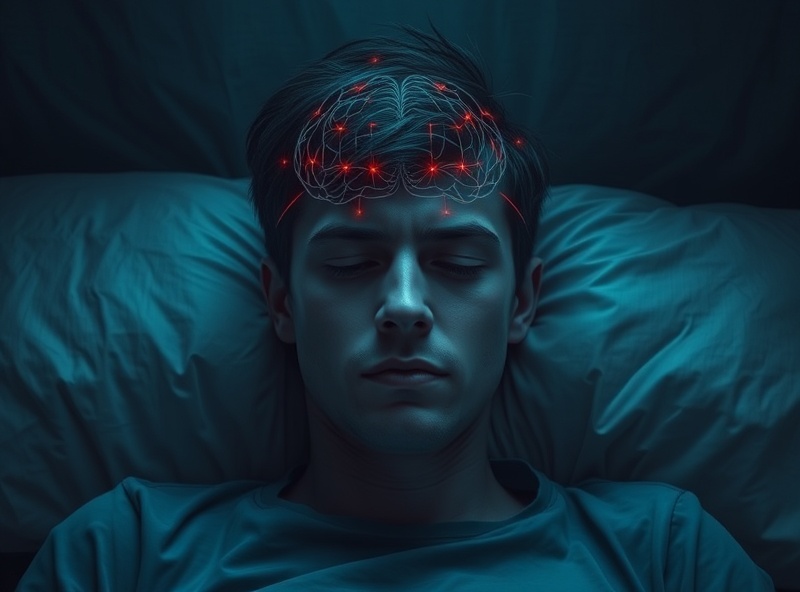
Stress and Insomnia: The Connection and Evidence-Based Solutions
Stress is one of the most common triggers for insomnia. When you’re under pressure—whether from work, relationships, finances, or health concerns—your body’s stress response can make sleep nearly impossible.
The Stress-Sleep Connection
Stress triggers your fight-or-flight response, releasing cortisol and adrenaline. These hormones:
- Increase heart rate and blood pressure
- Activate your nervous system
- Suppress melatonin production
- Keep your mind hypervigilant
While this response is helpful during danger, chronic stress keeps your body in this activated state, preventing the relaxation needed for sleep.
Types of Stress-Related Insomnia
Acute Stress Insomnia
Short-term sleep disruption from specific stressful events (job interviews, medical procedures, relationship conflicts). Usually resolves once stress decreases.
Chronic Stress Insomnia
Persistent insomnia from ongoing stressors (chronic illness, financial problems, work pressure). May require professional intervention.
Evidence-Based Solutions
Stress Reduction Techniques
Mindfulness and Meditation Daily meditation reduces stress hormones and promotes the relaxation response needed for sleep.
Progressive Muscle Relaxation Systematically tensing and releasing muscle groups trains your body to release tension, promoting sleep.
Deep Breathing Exercises Box breathing (inhale-hold-exhale-hold for equal counts) activates the parasympathetic nervous system.
Sleep-Specific Strategies
Sleep Hygiene
- Maintain consistent sleep schedule
- Keep bedroom cool, dark, and quiet
- Avoid stimulants after midday
Cognitive Behavioral Therapy CBT addresses both stress management and sleep-specific anxiety.
Lifestyle Modifications
- Regular aerobic exercise (at least 150 minutes weekly) significantly reduces stress
- Limit caffeine, alcohol, and screens
- Practice time management to reduce daily stress
When to Seek Professional Help
If stress-related insomnia persists beyond two weeks or significantly impacts daily functioning, professional consultation is recommended. Dr. Sidharth Sood can assess whether underlying anxiety or other conditions are contributing and provide targeted treatment.
Managing both stress and sleep creates a positive cycle where better sleep helps you manage stress more effectively.


