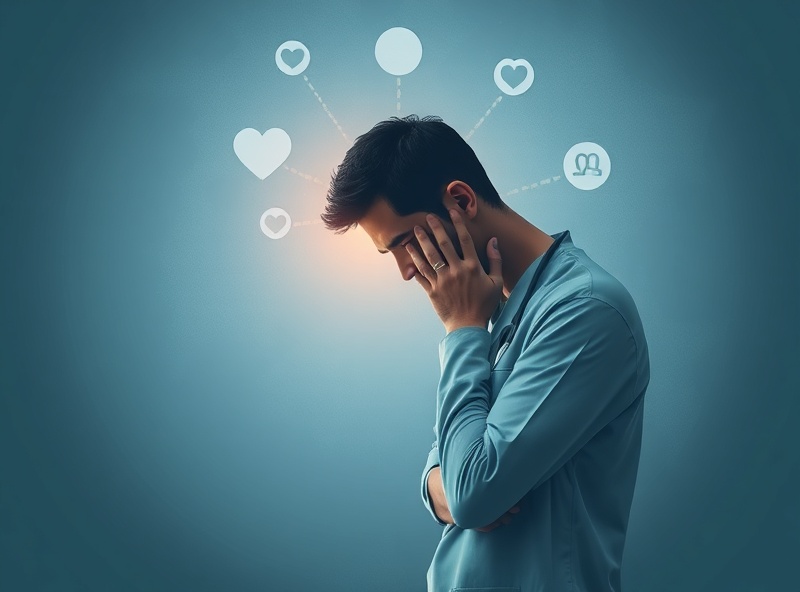
Stress vs. Depression: Are They The Same?
While stress and depression often overlap, they are distinct conditions. Understanding the difference is crucial for getting appropriate help.
What is Stress?
Stress is your body’s natural response to demanding situations. It’s a temporary state triggered by external circumstances and typically resolves when the stressor is removed.
Characteristics of Stress
- Duration - Usually short-term and situational
- Trigger - Clear cause (work deadline, relationship issue, exam)
- Physical Response - Elevated heart rate, tense muscles, increased alertness
- Mental State - Racing thoughts, worry, feeling overwhelmed
- Resolution - Improves once the stressful situation is resolved
What is Depression?
Depression is a clinical mental health condition characterized by persistent low mood and loss of interest in life, lasting at least 2 weeks.
Characteristics of Depression
- Duration - Persistent and long-term (typically 2+ weeks)
- Trigger - May occur without obvious cause
- Physical Response - Fatigue, sleep changes, appetite changes, physical pain
- Mental State - Persistent sadness, hopelessness, worthlessness
- Mood Quality - Deep emptiness that doesn’t improve with rest or positive events
Key Differences
| Aspect | Stress | Depression |
|---|---|---|
| Duration | Temporary | Persistent (2+ weeks) |
| Cause | Identifiable stressor | May be unclear |
| Impact | Affects performance under pressure | Affects all areas of life |
| Sleep | Difficulty sleeping due to racing thoughts | Oversleeping or severe insomnia |
| Response to Events | Improves with positive events | Limited enjoyment of positive events |
| Motivation | Driven to resolve the stressor | Lack of motivation for anything |
| Suicidal Thoughts | Absent | May be present |
How They’re Related
Chronic, unmanaged stress can develop into depression. If stress persists for weeks without relief, it may trigger depressive episodes.
When to Seek Help
Seek Help For Stress When:
- Stress management techniques aren’t working
- It’s affecting your health or relationships
- You’re turning to unhealthy coping mechanisms
Seek Help For Depression When:
- Low mood persists for more than 2 weeks
- You lose interest in activities you enjoyed
- You have thoughts of harming yourself
- Depression is affecting your work, school, or relationships
Treatment Approaches
Stress Management
- Relaxation techniques (breathing, meditation)
- Time management
- Exercise and physical activity
- Social support
- Work-life balance
Depression Treatment
- Psychotherapy (CBT, IPT)
- Medication (antidepressants)
- Lifestyle modifications
- Support groups
- Advanced treatments (TMS, neuromodulation)
The Importance of Early Intervention
While stress is a normal part of life, depression is a treatable medical condition. The earlier you seek help, the better the outcomes.
Not sure if you’re experiencing stress or depression? Dr. Sidharth Sood can help you understand what you’re experiencing and recommend the right treatment approach.


