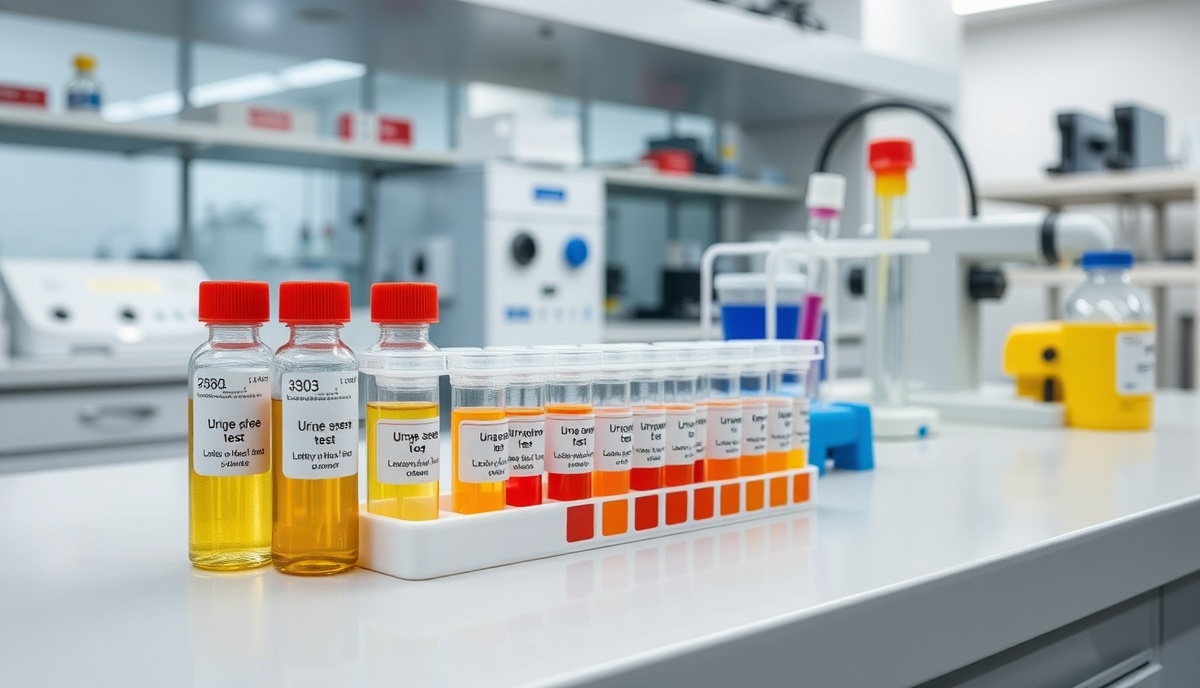
Simple, accurate insights into drug testing — from a clinical addiction perspective
Urine Drug Screening (UDS) is one of the most commonly used tools in addiction psychiatry. But many people misunderstand what it actually detects, how long drugs stay in urine, and whether results are always accurate.
This guide explains UDS in a clear, practical way so you understand this important monitoring tool.
A urine drug screen is a test used to detect recent use of substances. It typically identifies:
UDS is not meant to judge, but to guide treatment and monitor progress during recovery.
Internal Link: Learn more about stimulant use disorder and addiction treatment approaches.
Urine drug screening serves several important clinical purposes:
Establishing baseline substance use patterns at the start of treatment.
Tracking progress and adherence during ongoing treatment.
Identifying early signs of relapse to adjust treatment strategies.
Informing therapy approach, medication adjustments, and support intensity.
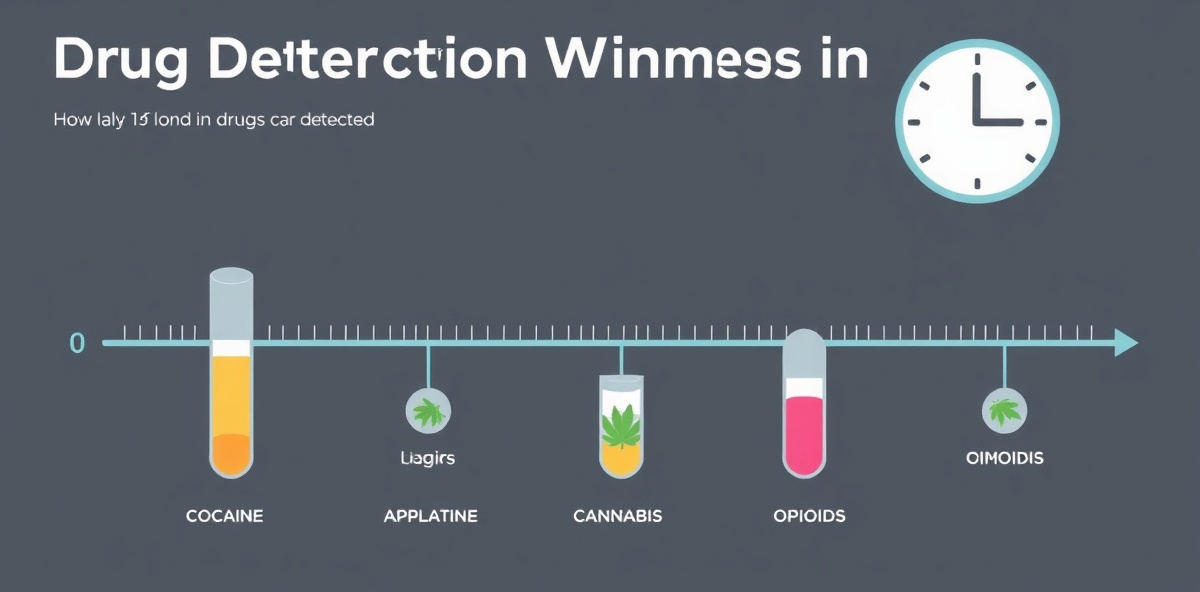
Different drugs stay in urine for different durations. This is critical information for understanding UDS results.
| Substance | Detection Window | Clinical Notes |
|---|---|---|
| Cocaine | 1–3 days | Occasionally longer with heavy use |
| Amphetamines | 1–3 days | Can vary based on dose and metabolism |
| Cannabis | 2–3 days (occasional) | Regular users: up to 2–3 weeks or longer |
| Opioids | 1–3 days | Some metabolites may persist longer |
| Benzodiazepines | Short-acting: 1–3 days | Long-acting formulations: up to 1–2 weeks |
A negative test does NOT always mean no use — it may simply be outside the detection window. A test taken 5 days after cocaine use may be negative, even though use occurred.
UDS typically involves a two-step process:
A quick, relatively inexpensive initial test that identifies substances through antibody reaction. Results are fast (within hours) but can have false positives.
A more specific and accurate laboratory analysis that identifies the actual substance. This test takes longer (typically 5–7 days) but is definitive. Positive screening results should always be confirmed with this method.
UDS is useful — but not perfect. Understanding its limitations is important for proper clinical interpretation.
Some substances can produce positive results without actual drug use:
A negative result doesn't always confirm no use:
UDS results must always be interpreted in clinical context, not in isolation. A single positive or negative result should never be the sole basis for clinical decisions. Multiple tests over time, combined with clinical assessment, provide the most reliable picture.
UDS is a support tool, not the treatment itself. It serves specific clinical functions within a comprehensive treatment approach:
Regular UDS helps monitor sustained abstinence and treatment response over time.
Can support contingency management — rewarding negative results to strengthen recovery motivation.
Identifies relapse early so treatment can be adjusted and support increased.
In evidence-based treatment programs:
UDS + Psychological Therapy + Relapse Prevention + Medication (if needed) = Effective Recovery Support
Learn more about comprehensive treatment approaches and contingency management.
A drug test is not about "catching" someone. In addiction treatment, it serves important clinical purposes:
Understanding patterns
Recognizing triggers and patterns to prevent future use
Supporting recovery
Providing objective evidence of progress and commitment
Making better clinical decisions
Helping your doctor adjust treatment and provide appropriate support
Urine drug tests are generally reliable when properly administered and confirmed with more specific testing methods. However, false positives and negatives can occur, which is why clinical interpretation is essential.
Screening results are typically available within 24-48 hours. Confirmatory tests (GC-MS) may take 5-7 days, depending on the laboratory and volume of tests.
A positive result should prompt clinical discussion. It's an opportunity to address substance use in treatment planning, not punish the individual. The result guides therapy and monitoring strategies.
While commonly used in addiction treatment and recovery monitoring, UDS is also used in workplace screening, clinical drug trials, and medical evaluations. The context determines the clinical or administrative significance.
Understanding your test results and what they mean for your treatment is important. Schedule a consultation to discuss UDS, your specific situation, and the next steps in your recovery journey.
Yes, false positives and negatives can occur. False positives may result from certain medications or foods, while false negatives may occur if testing is done outside the detection window or with diluted samples. This is why confirmatory testing (GC-MS) is often performed after a positive screening result.
Cocaine typically remains detectable in urine for 1–3 days after use. The exact timeframe depends on factors like frequency of use, individual metabolism, and the sensitivity of the test being used.
No, drinking water cannot hide drugs from a drug test. Modern labs can detect diluted samples and may flag them as invalid. Additionally, dilution alone does not eliminate drug metabolites from urine.
A screening test (immunoassay) is quick and inexpensive but can have false positives. A confirmatory test (GC-MS or LC-MS) is more specific and accurate, confirming the presence of the actual substance. Positive screening results should always be confirmed with a more specific test.
Yes, certain medications can cause false positives. For example, some cold medications may trigger positive results for amphetamines, and certain antidepressants can produce false positives. This is why clinical interpretation is essential.
Last Updated: 2026-03-26